




Skejtanjeto ne e za devojcinja
- Fiction Feature Film
- 83' 18''
- 2026
- North Macedonia, Belgium, Slovenia, Croatia
- Basic info
- Gallery
- Materials
- Episode
- Awards
- Screenings
- Archival footage
- Extended data
- Financing
- Filming locations
- Trivia
- Contact the editors
Synopsis
When poverty threatens her family, Adela has to fight through her passion for skateboarding against a conservative traditional society to rescue her – still a minor - older sister from a fate that is becoming inescapable: that of an arranged marriage.
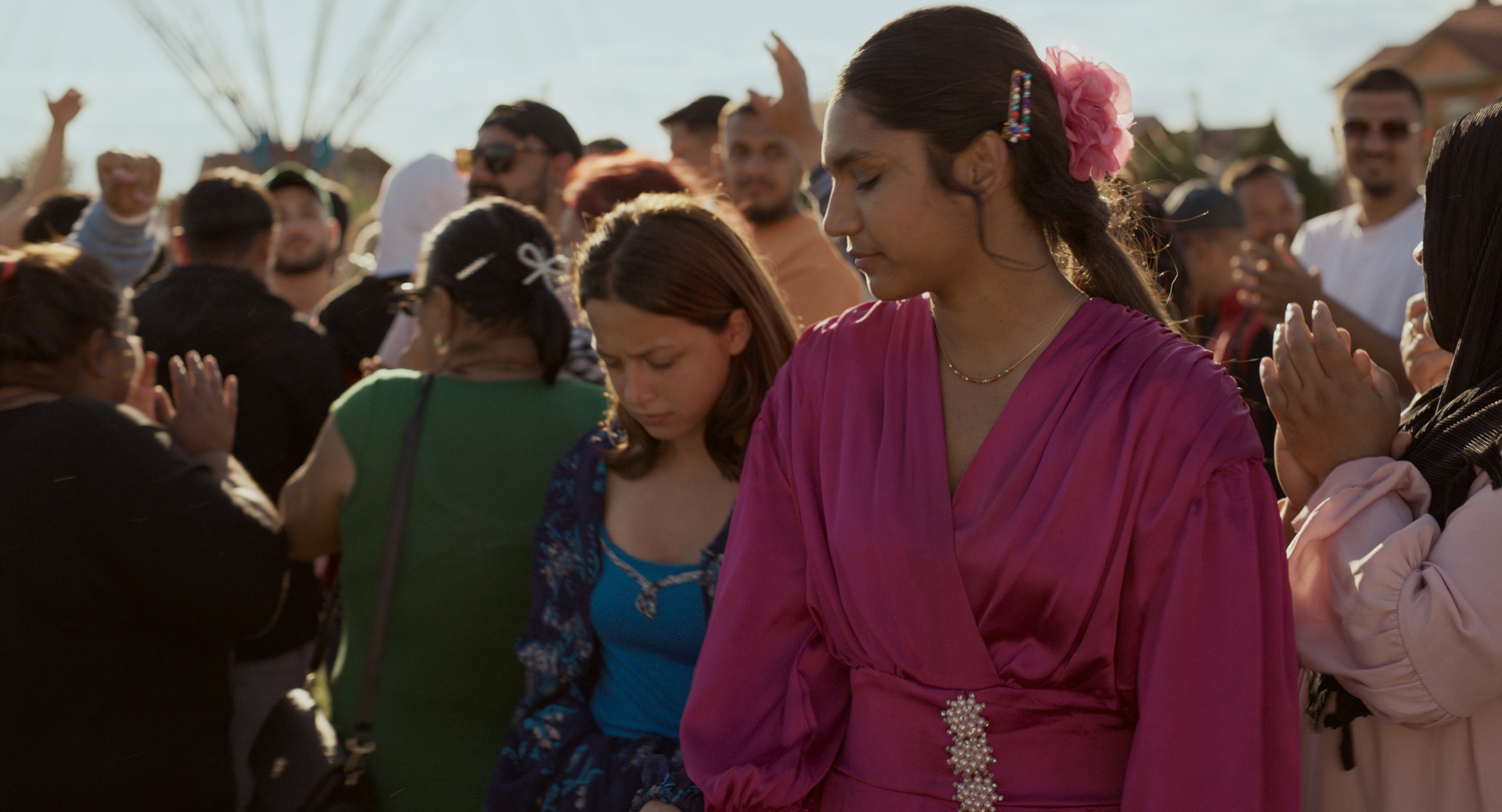
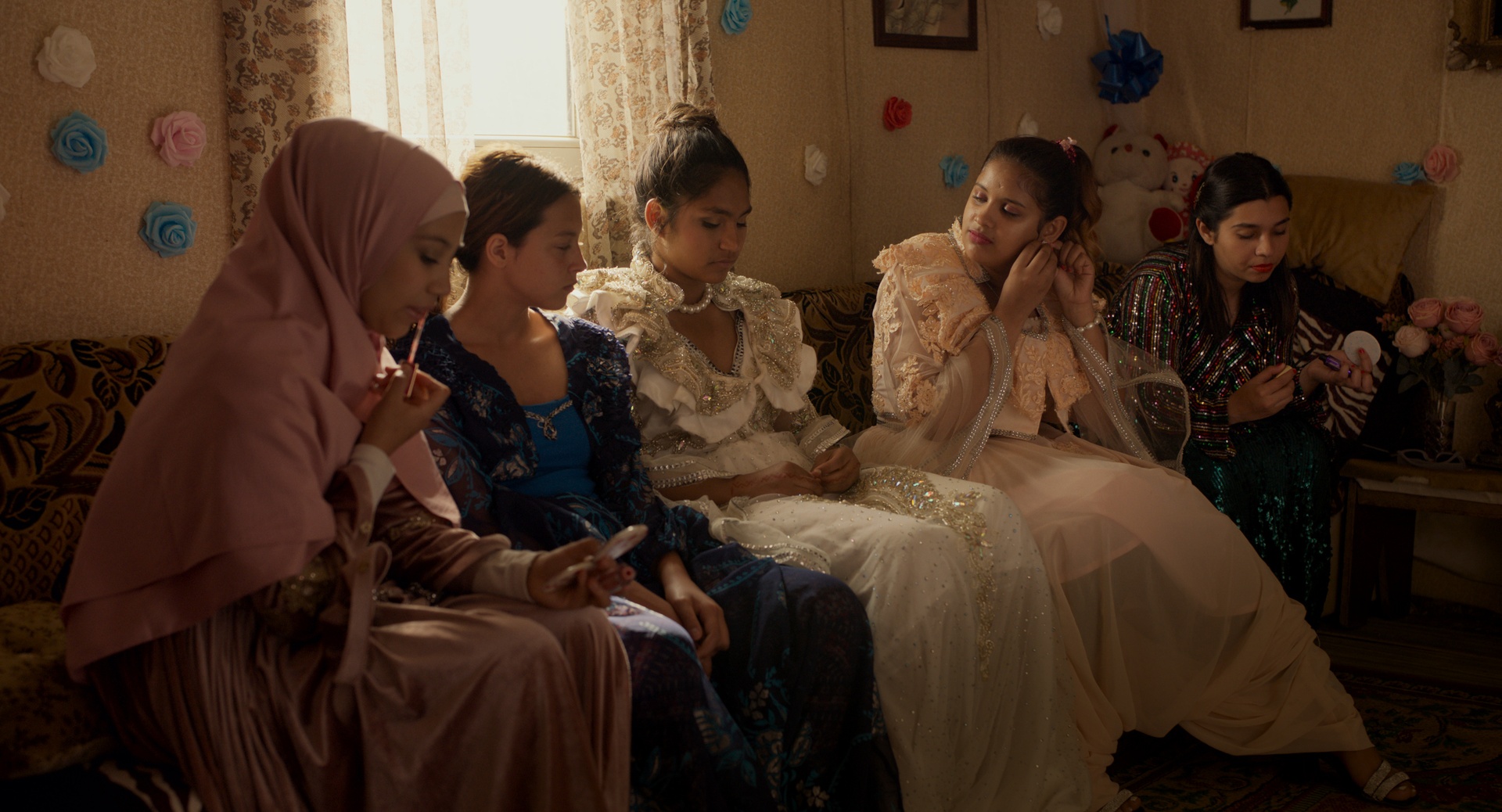
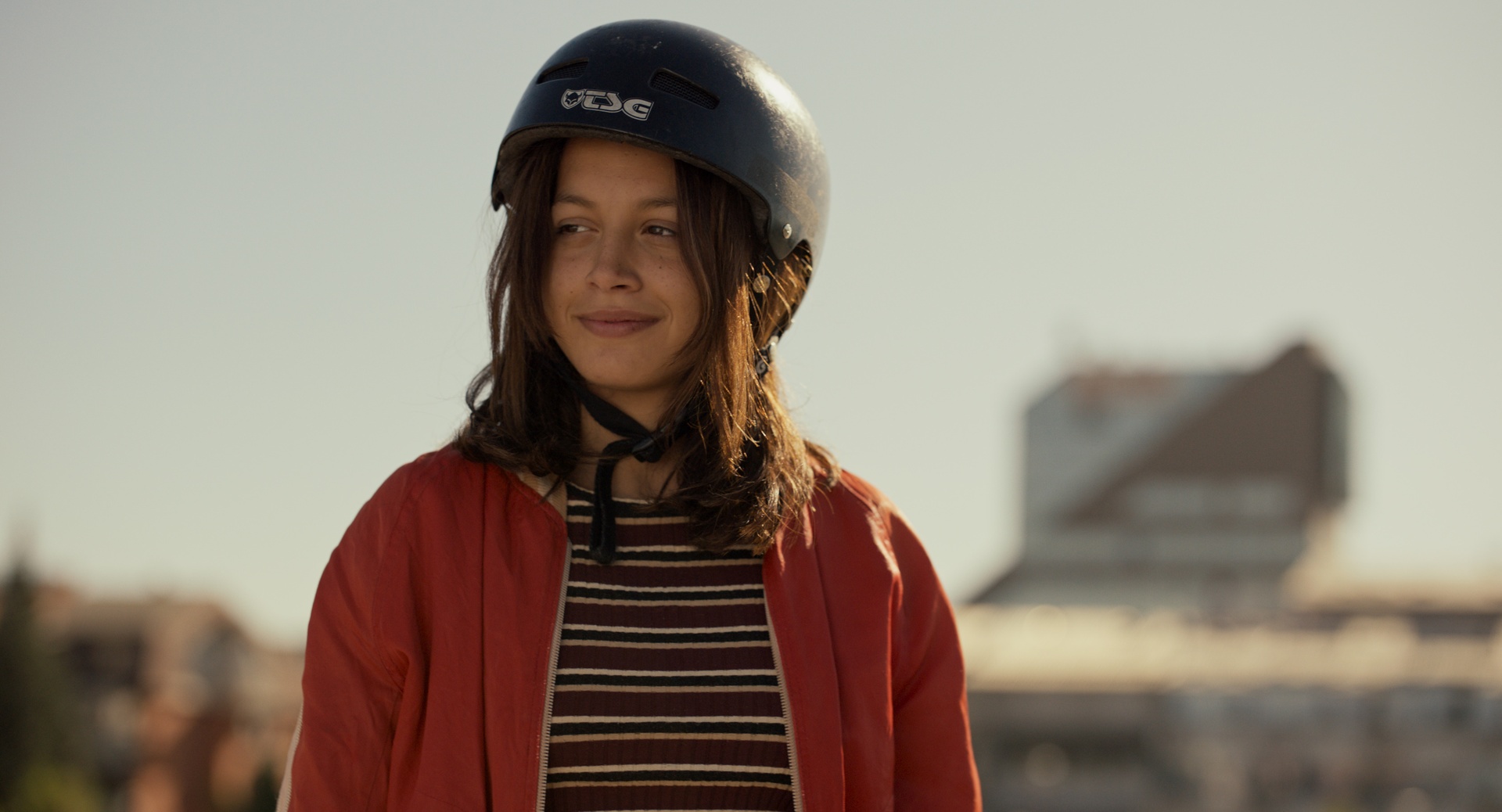
In Skopje, Northern Macedonia, 11-year-old Adela and her older sister Zara share a deep bond shaped by navigating two contradictory worlds. At school, they are typical, rebellious teens with skateboards, social media, crop tops, and boyfriends. After school, in a quiet and disciplined mode, they help their mother with cleaning jobs to make ends meet. Already barely scraping by in their Romani neighborhood, the family is pushed even further when it becomes clear their father has abandoned them. With options dwindling, their mother turns to her older, more traditionally minded sister-in-law, who proposes they take Zara to the Bulgarian Bridal Market and marry her off for a fee. Refusing to accept she could lose her sister to this antiquated custom, Adela becomes determined to find another way.
Director
Director's statement
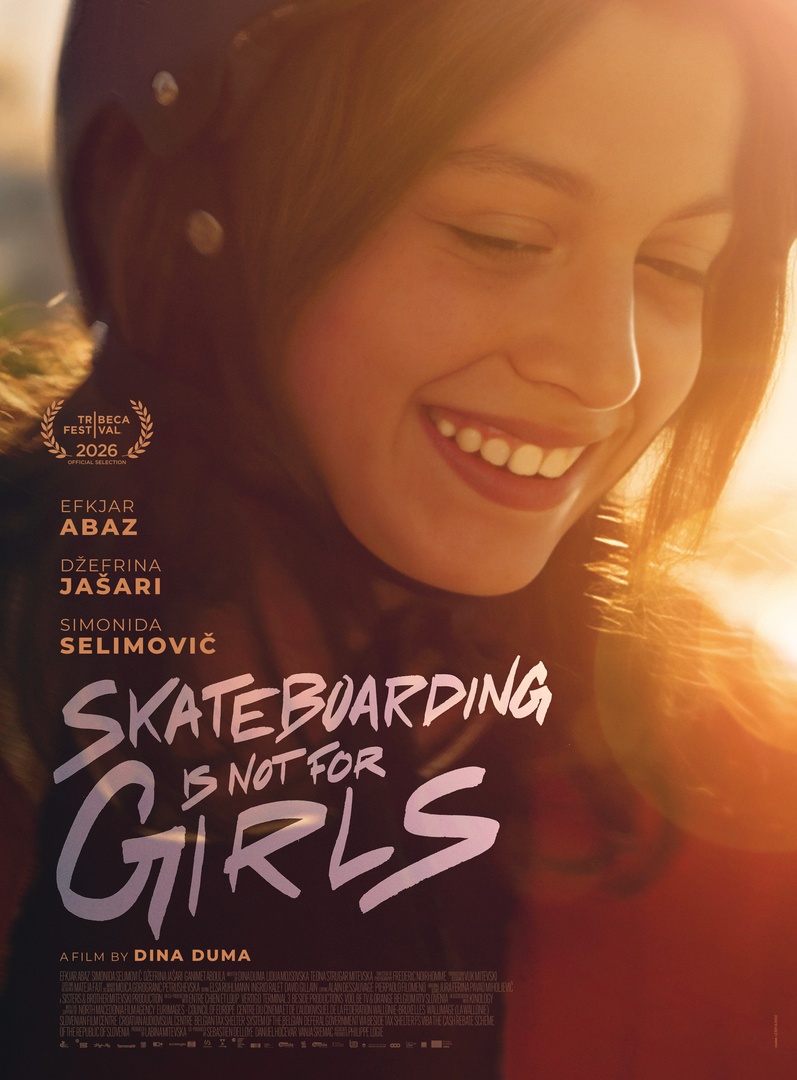
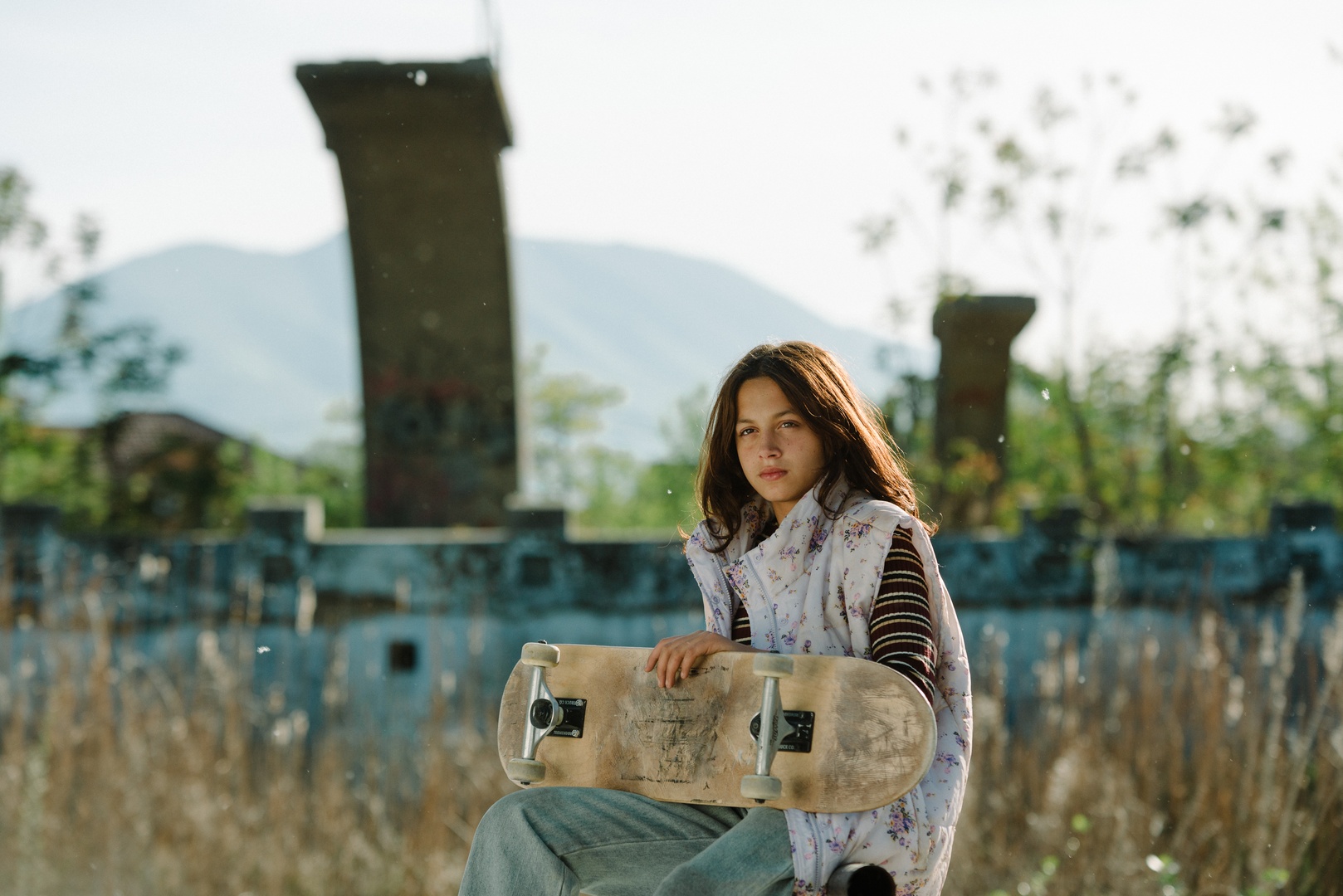
It all started with an image I witnessed one day by the riverbank in Skopje, my home town. I saw a young girl skateboarding, dressed in a traditional shalwar. She was 12, a child. But in her eyes and
It all started with an image I witnessed one day by the riverbank in Skopje, my home town. I saw a young girl skateboarding, dressed in a traditional shalwar. She was 12, a child. But in her eyes and presence I saw something else, I saw a mature woman. There was something special about her, she had this wisdom in her eyes. That image stayed with me and kept returning. I became obsessed with it, and it slowly turned into the impulse to make this film. But I was also aware that it touches on a very fragile subject, and the question was always how to approach it responsibly. I realized early on that it was essential to approach this world from within, rather than from a distance. I wasn’t interested in stylization or in repeating familiar cinematic tropes, but in creating an intimate and grounded perspective, where the characters can exist as complex, sometimes flawed individuals. I was particularly drawn to a female perspective within this environment, something I felt is rarely seen in cinema. The process itself was key. We spent a long time in Shutka (the biggest Roma settlement in Europe), working closely with the community, building trust, and allowing the film to grow out of real encounters, rather than imposing a preconceived idea. Many of the actors are non-professionals, and their presence brought a kind of emotional truth that cannot be constructed.
Gallery (5)
Cast
Credits order

Crew
Writing
Direction
Production
Cinematography
Music
Editing
Production design
Costume design
Make-up
Directing department
Production department
Art department
Sound department
Special effects
Visual effects
Camera department
Lighting department
Grip department
Stunts
Casting department
Costume department
Hair and Make-up department
Post production/editorial department
Mentoring and Consulting colaboration
Tansportation department
Other
Organizations
production
distribution
Music
Awards
Relevant Awards
The Nora Ephron Award honours an exceptional female filmmaker who represents the spirit and vision of the legendary filmmaker and writer.
Nora Ephron represents why having a distinct femme voice within a patriarchal world can open the door for so many others. Ephron’s work often asked the question: how do women survive in a hostile world? Our selection for the winner of this award answers that question in many ways. This film is at once lyrical and political, touching and authentic, heart-breaking and heart-warming, while also being infused with joy and humor. By giving a voice to the voiceless, Dina Duma invites us into a distinct, deeply human experience by offering audiences specific characters that celebrate solidarity and family.
The Youth Perspective Award goes to a film with a touching story of unity, family, and the hope that comes from belonging. It offers an authentic portrayal of youth and of the agency of people within marginalized communities, their freedom to make their own choices in the face of tradition and societal expectations. Defying stereotypes with a warm, intergenerational story, this is a film that stays with you long after watching.
For its powerful message about gender equality and inclusivity.
Nominations
Screenings
Extended data
Skateboarding Is Not for Girls (English)
Скејтањето не е за девојчиња (Macedonian)
Technical data
Financing
Budget
All financial information is obtained from official sources. I.e. producers or organizations which provided the financial support.
Comitee: Aiken Veronika Prosenc, Živa Emeršič, Darko Sinko
Contact the editors
If you need to get in touch with the editors of The Slovenian Film Database, please use the form below. We will be happy to hear from you.