




Ko pridem ven
- Documentary Feature Film
- 106' 11''
- 2025
- Slovenia
- Basic info
- Galley
- Materials
- Episode
- Awards
- Screenings
- Archival footage
- Extended data
- Financing
- Filming locations
- Trivia
- Contact the editors
Synopsis
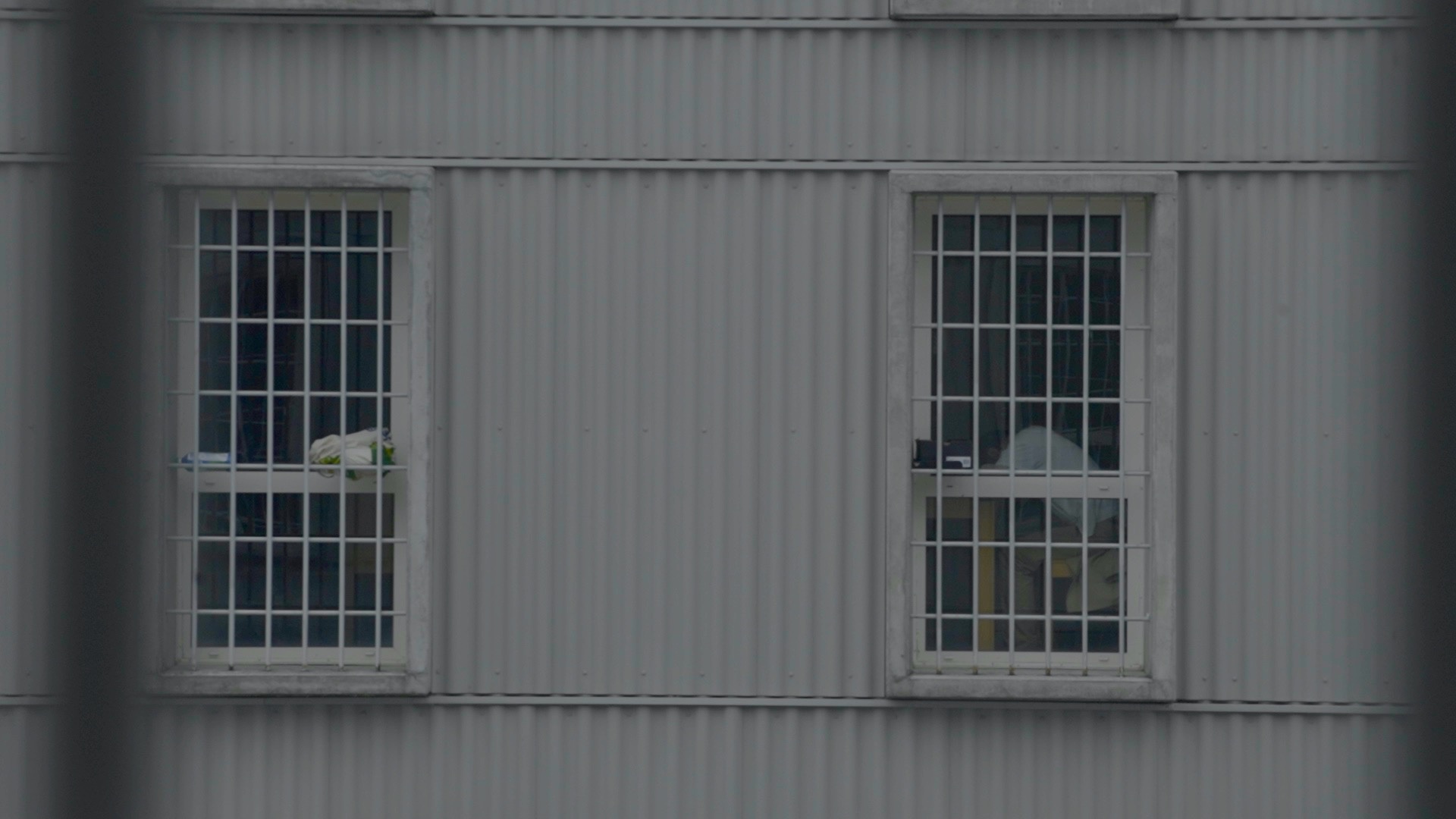
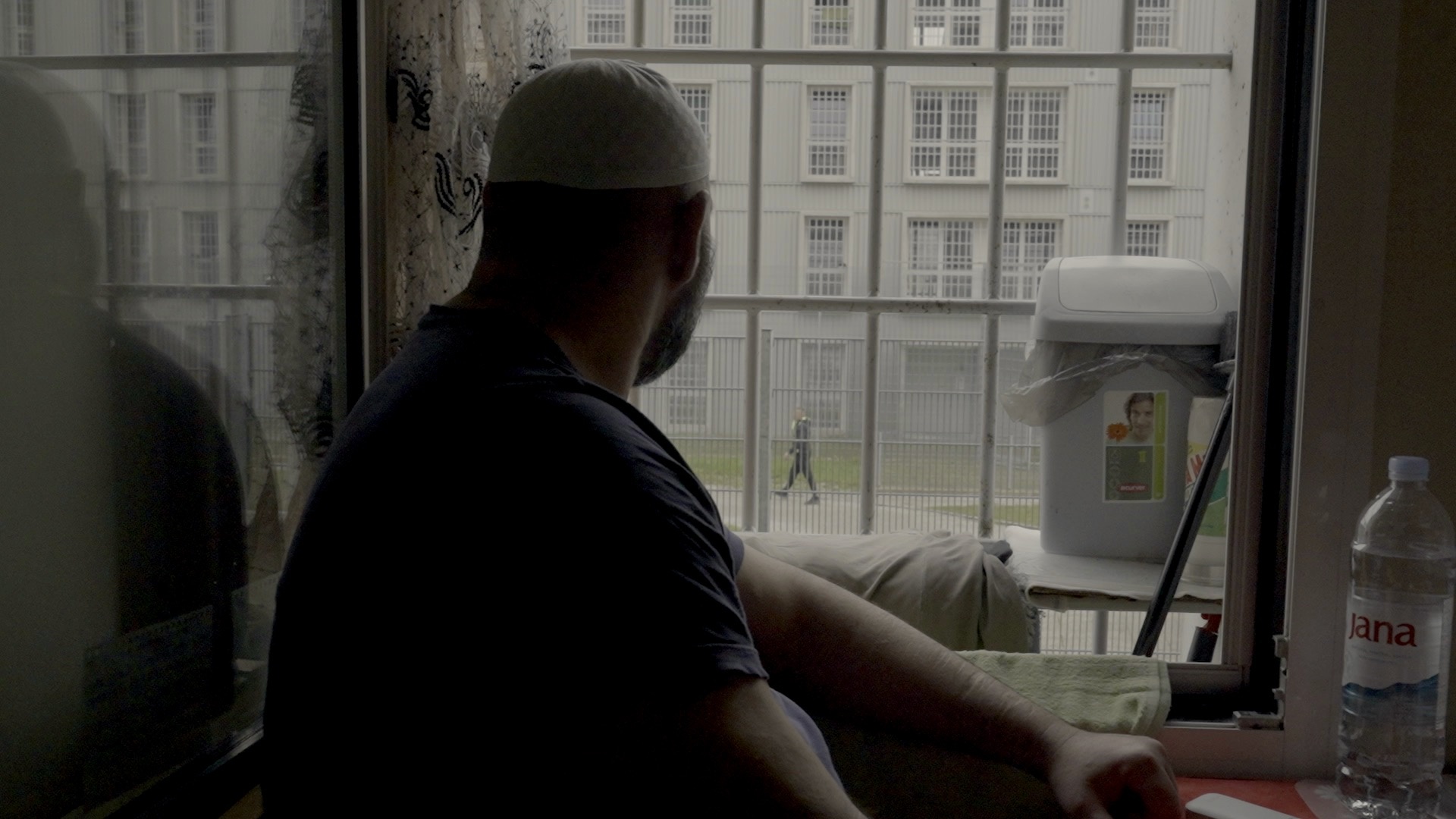
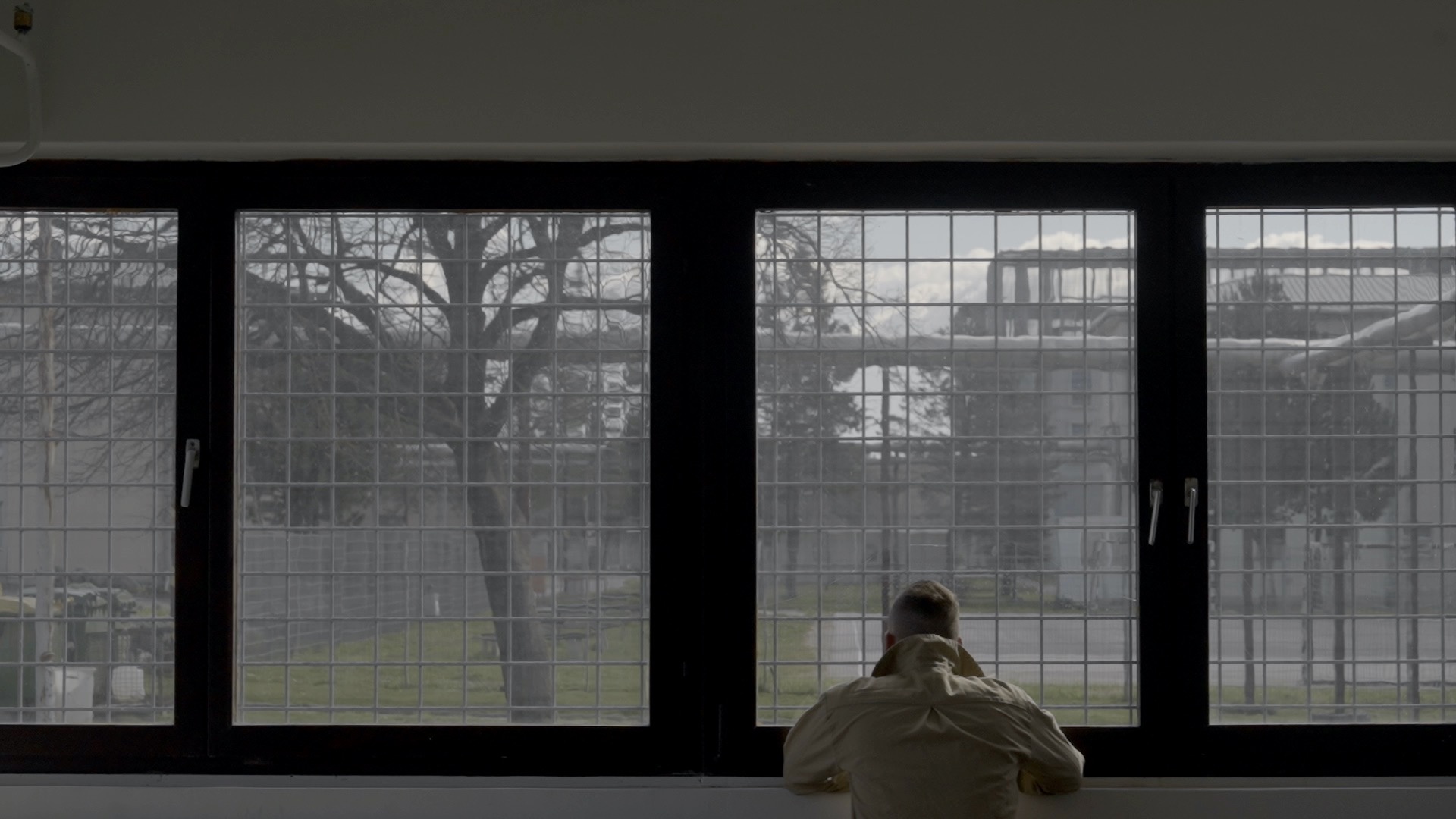
The film director and the psychiatrist go to Dob Prison, a central Slovenian prison. The director believes that there are stories locked up there, and the psychiatrist believes that his psychodrama method can open up a redemptive creative space and a glimpse into the convicts' future. A liberated territory in a closed area?
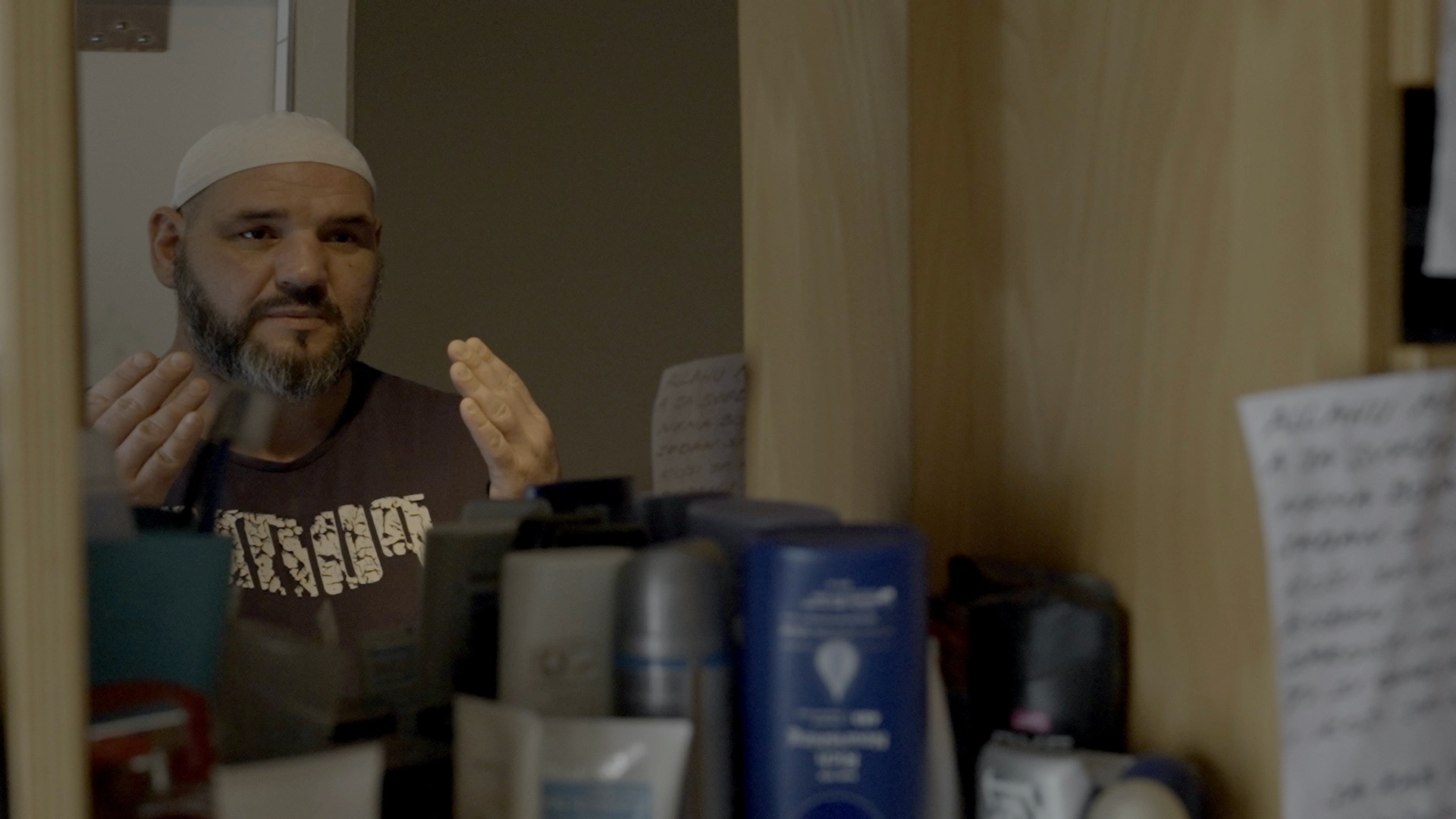
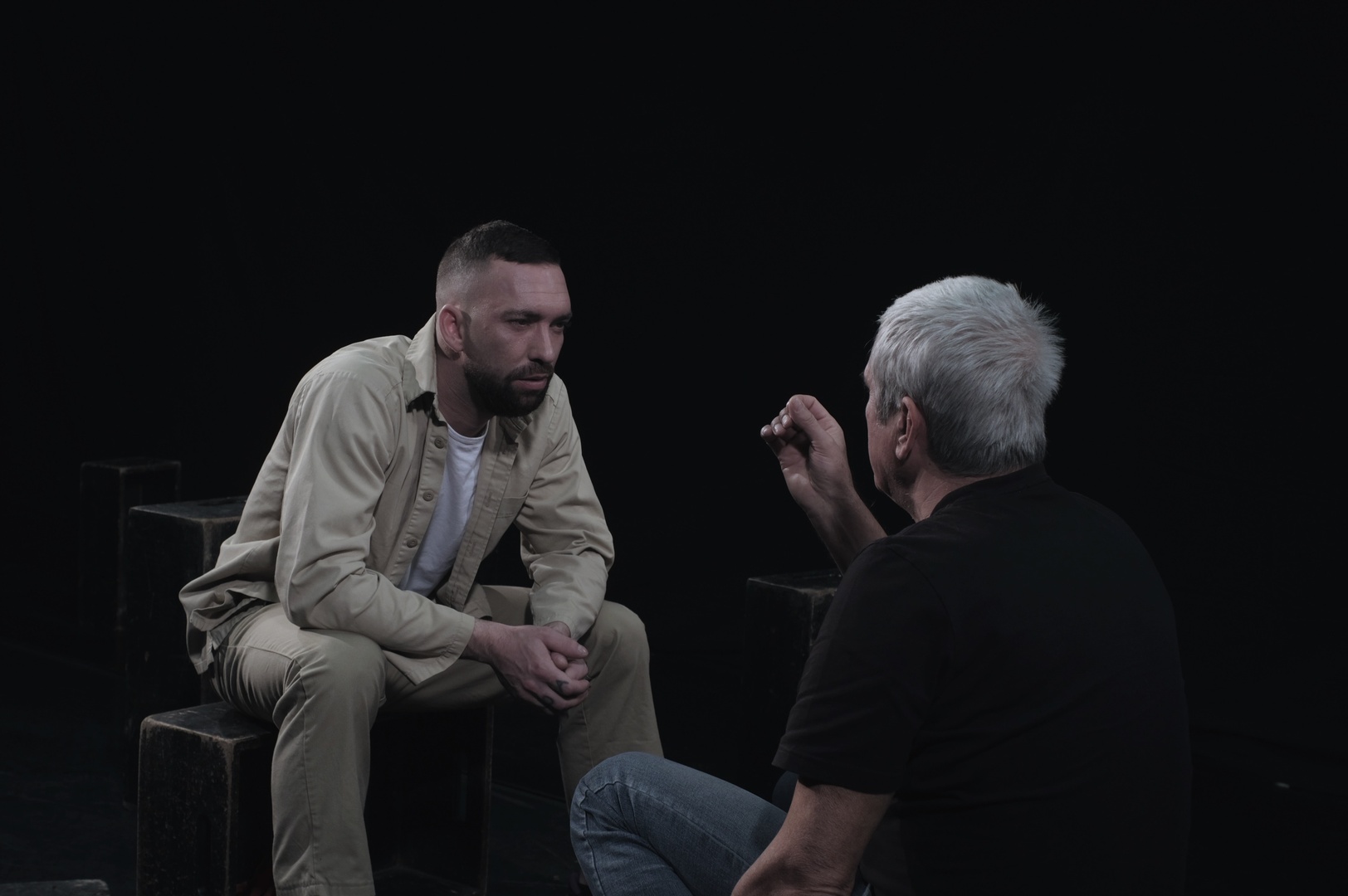
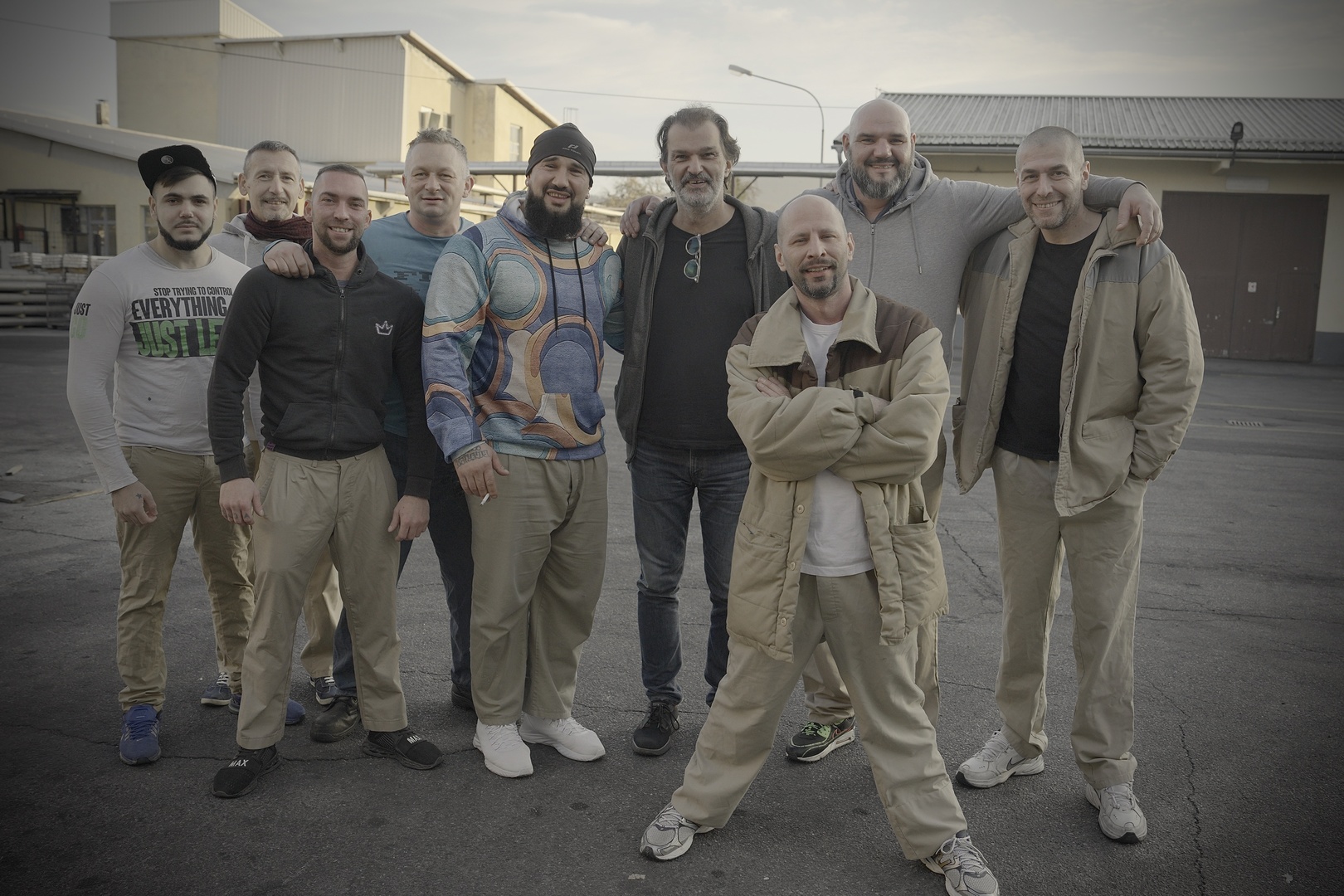
A psychiatrist and psychotherapist (Vladimir Milošević) arrives at the central Slovenian prison Dob. He presents a psychodrama workshop program for the inmates to get to know themselves better and to think about their future. Most of the convicts who sign up are those with the most severe crimes and lengthy prison sentences. A psychotherapist introduces the process to the applicants: through drama, they will discover unknown dimensions of themselves and enter into unpredictable relationships with other convicts. The selected convicts have very different criminal backgrounds and, in many ways, different or even opposite characters. They come from various departments, and most do not know each other. In the psychodrama process, they meet robbers, sexual deviants, drug dealers, and murderers. Each of them has a morally deformed profile. Some are remorseful and sincere in wanting to change themselves and start a different life after their sentence. In contrast, others are still shriveled up, talking about betrayal, the injustice of the trial, and their innocence.
Director
Director's statement
A documentary film of this kind cannot be satisfied with a purely observational approach, so a psychodramatic intervention is needed. The objectives of the psychodramatic method are set flexibly, whic
A documentary film of this kind cannot be satisfied with a purely observational approach, so a psychodramatic intervention is needed. The objectives of the psychodramatic method are set flexibly, which means that the direction will be adapted to the psychodramatic or therapeutic dynamics, i.e., in particular, to emerging relationships and conflicts. The significant character differences, frustrations, and internal laws of prison life predictably give rise to disputes, which the documentary approach can use as building blocks for the story. Indeed, each of the performers has an interesting life story that many would like to see written in a book or depicted in a film. Characters of this type tend to use the opportunity of telling and confessing - especially if a camera is present - as a performative occasion in which they want to tell their "truth," justifying the criminal past with more or less skillful mimicry. This hardened defensive posture is bypassed by an experienced psychotherapist using the method of psychodrama, allowing the participants - without really realizing it - to communicate more honestly. For a similar reason, the film-therapy experiment will avoid the criminal past of the performers. By avoiding their criminal past, one could gain engaging suspense, while this past would undoubtedly act as an invisible agent for the present events recorded by the film camera. A look into the future brings more uncertainty and openness. This raises an essential question for the psychotherapist and his method: Do the convicts also have any untapped potential that, if successfully developed, could have a tangible impact on their lives after their sentences are over? This film experiment hypothesizes that creativity in the broadest sense opens up such possibilities.
Gallery (9)

Cast
Credits order

Alphabetical order

Crew
Writing
Direction
Production
Cinematography
Editing
Costume design
Make-up
Sound design
Production department
Sound department
Camera department
Lighting department
Grip department
Post production/editorial department
Music department
Mentoring and Consulting colaboration
Other
Organizations
production
technical services
support services
Music
Awards
Relevant Awards
Screenings
Extended data
When I Get Out (English)
Svoboda (Slovenian) (working title)
I Care for You, Son (English) (working title)
Technical data
Canon (70-200 mm)
Fujifilm X-H2S
Financing
Budget
All financial information is obtained from official sources. I.e. producers or organizations which provided the financial support.
Comitee: Jožica Šmid, Nina Blažin, Vilma Štritof Explication
Osnova za film je socialni eksperiment v zaporu. Zaporniki so se prostovoljno javili k psihodramski obravnavi, s pristankom na snemanje in posredovanje svojih izjav in zgodb v javnosti. Zanimivo je, da so udeleženci psihodramskih srečanj pod vodstvom izkušenega psihoterapevta prav najtežji obsojenci z različnimi ozadji in kriminalnimi dejanji. Film je tudi na nek način introspektiven, saj ima možnost prodreti v travmatizirani del psihe, seveda v odvisnosti od pripravljenosti oziroma zavrtosti posameznega udeleženca. Dragocene zgodbe, ki trkajo na našo vest, vrtajo globoko v človeka, so zmeraj relevantne in univerzalne. Avtor izbere obe dokumentaristični tehniki: v svoji poziciji observacijsko, pridruži pa se mu še psihodramska intervencija. Na ta način lahko zatipa v razloge za usodne napačne odločitve, v različne življenjske zgodbe in vire kriminala, hkrati pa lahko kdaj tudi preusmeri pogovor. Premisa celotnega postopka je ta, da je vse, vključno z nedopustnimi dejanji, človeško. Struktura filma se podredi psihoterapevtskemu postopku in se posveti napredku posameznikov in skupine, saj je moč filma na strani tistih, ki se razkrivajo. Film je lahko privlačen za raznoliko odraslo publiko doma in v mednarodnem prostoru, občutljiva vsebina pa potrebuje vodstvo in razlago za mlajše odrasle. Režijski koncept je jasno zastavljen in izhaja iz raziskave psihodramske terapije, ki v zaporu že poteka. Odločitev za stalno snemanje na delavnicah je dobra režijska poteza. Dokumentarni film se tako podreja delavnici in njihovim udeležencem in ne obratno, zato gledalci vstopajo v polje čistega dokumentarizma. Na mestu je tudi premislek o vključevanju drugega sveta v zaporu. Iz prijave so razvidni močno raziskovalno ozadje in delo na dokumentarnem filmu ter angažiranost ekipe in udeležencev. Tu v prvi vrsti ni film, temveč globlje človeško vprašanje o resocializaciji zapornikov.
Comitee: Živa Emeršič, Petra Seliškar, Nina Blažin Explication
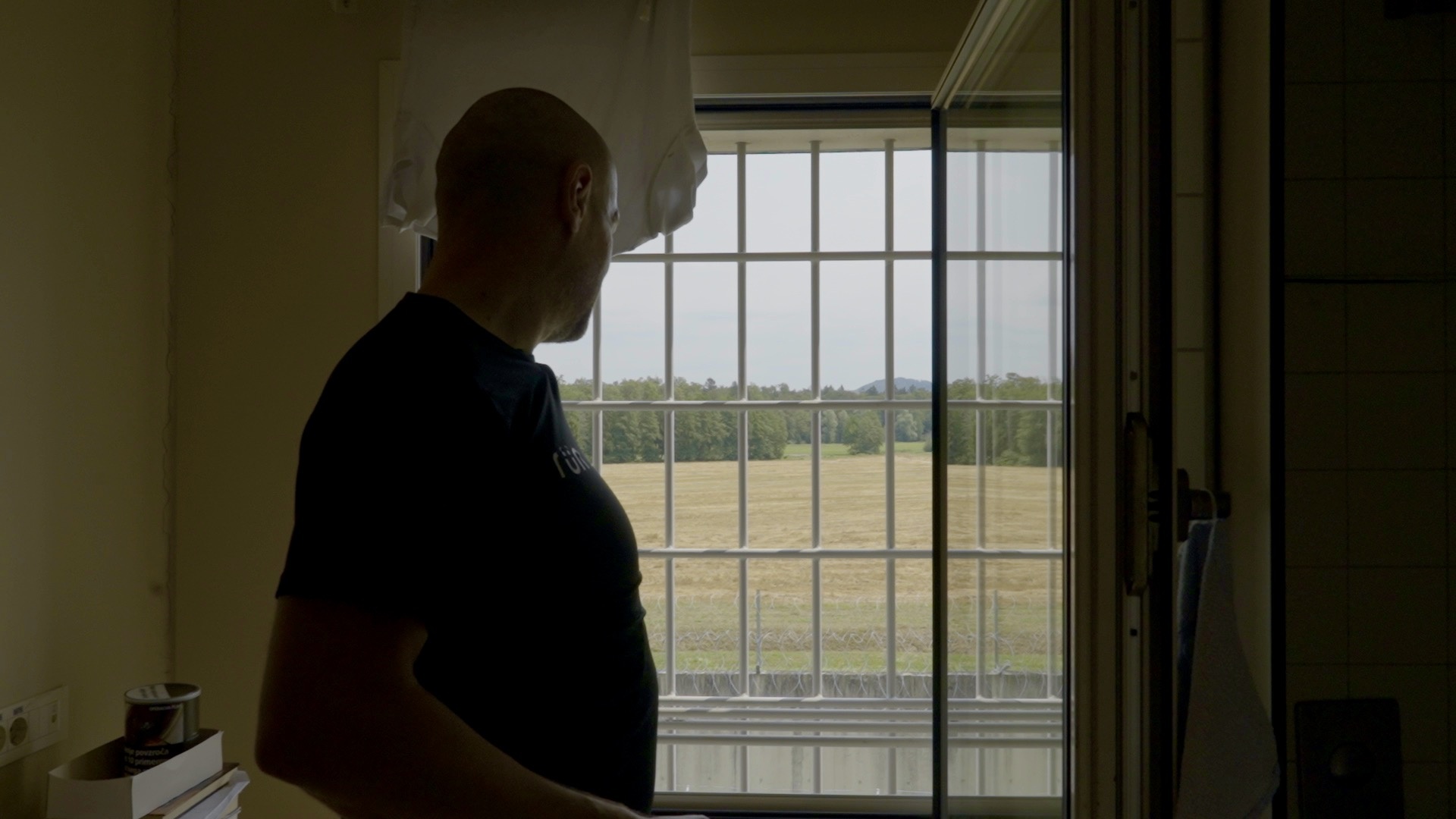
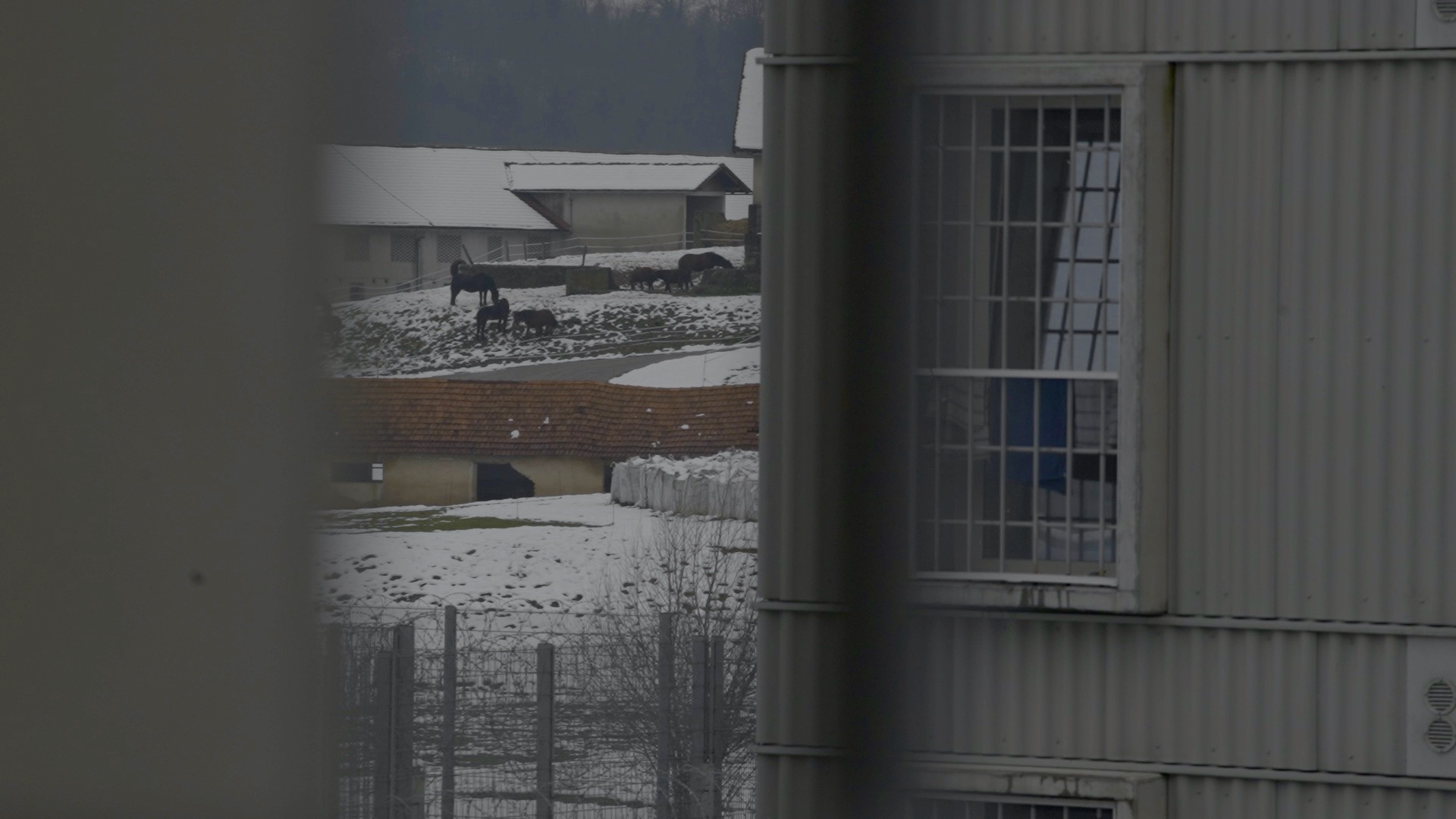
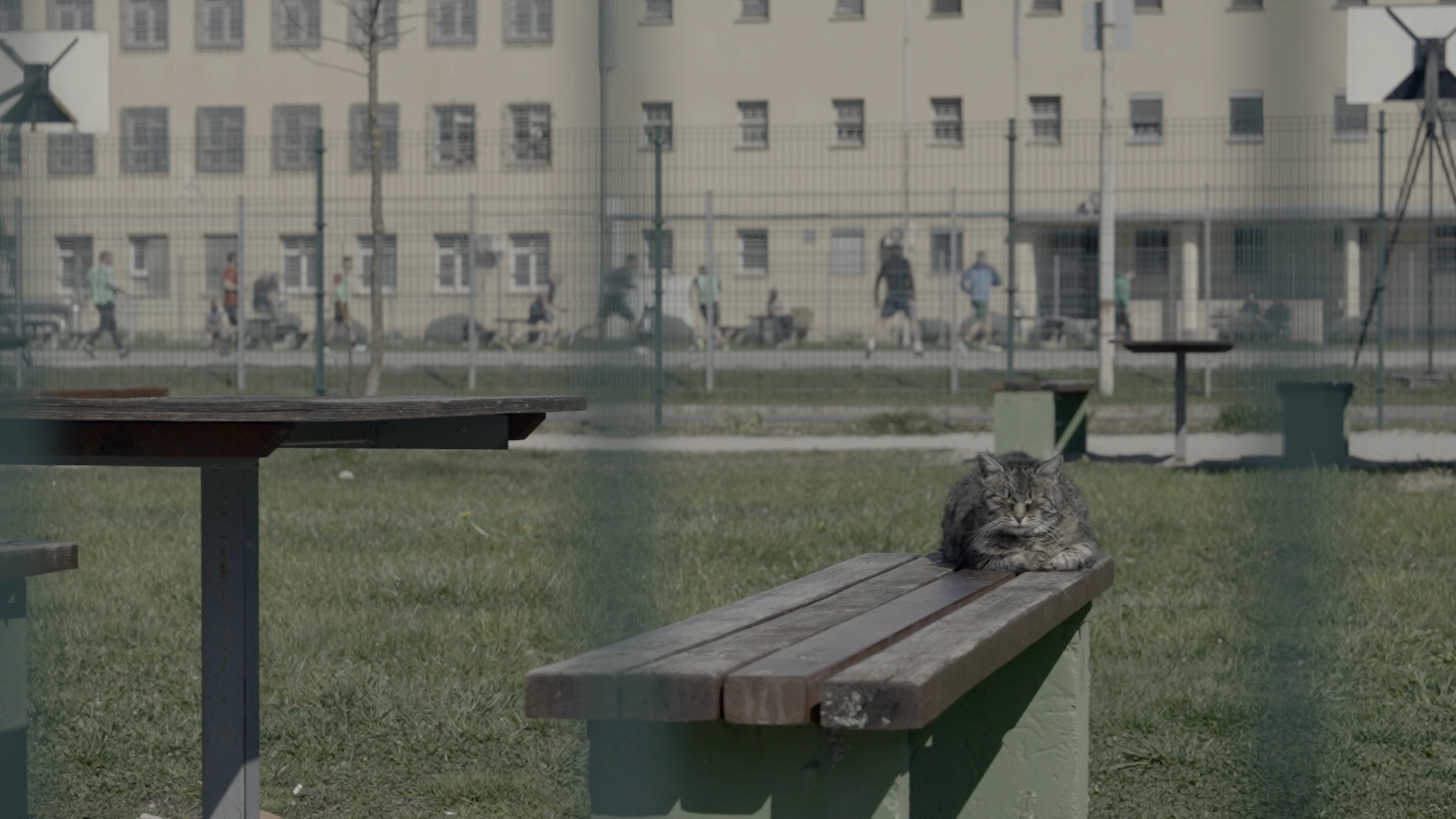
Raziskava teme svobode se zdi v post koronskem času zelo relevantna, saj smo bili daljši čas tudi sami ujetniki svojih domov. Dob kot znameniti slovenski zapor, ki je zaznamoval našo družbo, ponuja skozi film avtorjev in hkrati psihoterapevtov pogled na zaporniško življenje. Odpira ključno vprašanje ali so zaporniki svobodnejši na Dobu ali na svobodi. Skozi priložen material je vidno jasno avtorsko stališče, ki se opira na delavnico psihodrame, kar je tudi glavna struktura filma. Kako se film konča? Kako skozi film gledalci vidijo spremembo, če se le ta zgodi, pri zapornikih - skozi izjave/ intervjuje? Dobra uporaba sveta zunaj - posnetkov narave okoli Doba - ki deluje kot kontrapunkt fizične ujetosti, zaprtosti zapornikov. Avtor je na prezentaciji natančno opisal plan razvoja projekta, ki se zdi realističen in ponuja možnosti za globok premislek o delu in pomenu psihoterapevta za življenje obsojencev na Dobu in tudi za vrnitev obsojencev v domače okolje. Dokumentarec odstira razmišljanje zapornikov, skozi njihovo sodelovanje na delavnici psihodrame odpira tudi njihovo kriminalno preteklost in se vrača v otroštvo in življenje zunaj ter tako ponudi morda tudi razloge, vzroke, ki so vodili do njihovih kriminalnih dejanj. Tema je zanimiva za širšo publiko.
Contact the editors
If you need to get in touch, please use the form below. We will be happy to hear from you.