




Kismet
- Short Fiction Film
- 14' 56''
- 2025
- Slovenia, Croatia
- Basic info
- Galley
- Materials
- Episode
- Awards
- Screenings
- Archival footage
- Extended data
- Financing
- Filming locations
- Trivia
- Contact the editors
Synopsis
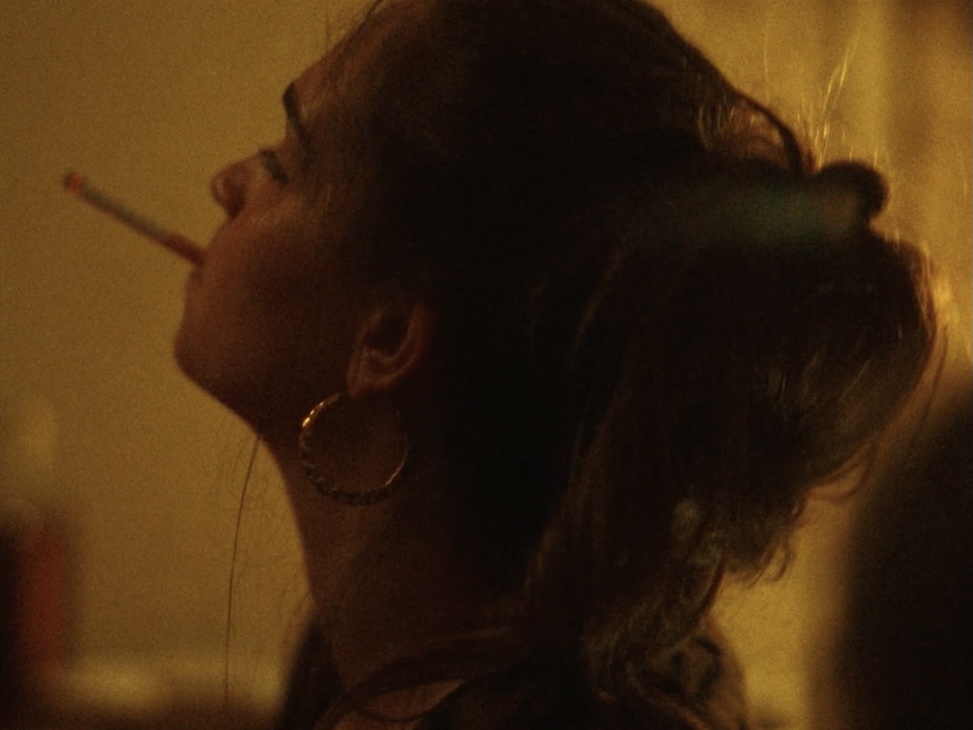
11-year-old Roma girl Milena fights against bloodstained sheets and wedding cakes. Her sister views marriage as liberation, and Milena aims to prove to her that destiny - kismet - is a myth.
Milena (11), a spirited Muslim Romani girl, juggles her school aspirations with the chaos of her sister Bogdana's (16) wedding preparations in their impoverished village. As traditions clash with modern dreams, Milena's first period symbolizes her fear of being forced into an early marriage.
Director
Director's statement
"Kismet" is a film that delves into the roles of women, questioning traditional gender expectations and exploring the complexities of female identity within Muslim Romani culture, focusing on the expe
"Kismet" is a film that delves into the roles of women, questioning traditional gender expectations and exploring the complexities of female identity within Muslim Romani culture, focusing on the experiences of young Romani women. Film captures the pivotal moments of their lives as they navigated cultural pressures and societal norms. This narrative sheds light on universal themes of identity, tradition, and self-determination within a marginalized community.
Our personal connections to these themes, stemming from our childhoods in Roma-populated regions, drove our commitment to an authentic portrayal of Roma culture. Filming "Kismet" was an inspirational experience, enhanced by working exclusively with native Romani people and filming on location. The Romani community welcomed us with open arms, sharing their stories and traditions, which enriched the film's authenticity. "Kismet" is not just about Romani culture; it serves as a mirror reflecting general societal norms and traditions. We aimed to provoke reflection on cultural coexistence, freedom, and the roles of women. A central theme of the film is the delicate balance between maintaining traditions that are vital for building identity and the need for progress, especially for younger generations striving to move forward in their lives. Traditions should not be discarded lightly, as they are essential to cultural identity, but there must also be room for growth and adaptation. By highlighting the often-overlooked perspectives of Romani women, we hope their stories inspire broader discussions about empathy, equality, and the importance of understanding diverse cultures. Our ultimate goal is to foster a deeper appreciation of cultural coexistence and shared humanity, recognizing the importance of both preserving valuable traditions and embracing necessary progress.
Žiga Virc and Iza Strehar

Gallery (11)


Cast
Credits order

Crew
Writing
Direction
Production
Cinematography
Editing
Production design
Costume design
Make-up
Sound design
Directing department
Production department
Art department
Sound department
Camera department
Lighting department
Casting department
Hair and Make-up department
Post production/editorial department
Tansportation department
Other
Organizations
production
distribution
technical services
support services
Music
Awards
Relevant Awards
Our Special Mention goes to a film that opens insights into the most intimate moments of a family consisting of women from different generations who disagree about the traditions of their Roma community. While the main character longs for freedom and independence, her grandmothers fears the disintegration of tradition. It was especially interesting to us that all actors are actually part of the community and partly improvised their own stories. While this feature film shows some dark and oppressive situations in the young girl’s life, we quickly realise that she also finds a lot of love and understanding in her family. We think that this is important, because otherwise it would simply be a confirmation of outsiders’ pre-existing prejudices.
Screenings
Extended data
Technical data
Financing
Budget
All financial information is obtained from official sources. I.e. producers or organizations which provided the financial support.
Scenarij za kratki igrani film Kismet (Slovenija) napisala je Iza Strehar, slovenska scenaristica mlađe generacije. Redatelj filma je Žiga Virc koji je uz Izu vrlo temeljito i predano pristupio kreativnoj obradi ove, naoko, „egzotične“ teme. Strehar nam kroz ovaj scenarij prikazuje kratki isječak života Romkinja u momentu kada one prolaze kroz obred prijelaza, konkretnije, vjenčanje. U priči pratimo odnos dviju sestara, starije Bogdane i mlađe Milene, pri čemu se Bogdana udaje. S druge strane, Milena voli školu i želi se školovati. Osim njih tu su i majka i baka, koje ocrtavaju svojevrsnu suprotnost između starije, izrazito tradicionalne generacije, koju predstavlja baka te mlađe generacije, čiji su se stavovi znatno ublažili, utjelovljene u liku majke. Tu su i prijateljice, koje prate Bogdanu kroz prijelaz. Redateljska koncepcija koju Virc nudi je kvalitetna i dobro razrađena. Što se tiče samih glumaca, radio bi s naturščicima na što autentičnijim lokacijama te naglašava elemente dokumentarizma u procesu. Ono čega je svjestan jest da se ovdje radi o drugoj kulturi i glumcima koji se ne bave profesionalno glumom pa ističe da će predpripreme zapravo najdulje trajati, budući da će trebati organizirati i radionice glume te provesti dulje vremena u radu s budućim glumcima. Važno je napomenuti da je snimanje filma planirano u Hrvatskoj te je planirano sudjelovanje hrvatskih autora i djelatnika razmjerno veliko.
Comitee: Vilma Štritof, Bojan Labović, Čedomir Kolar Explication
Film je osredotočen na majhno zgodbo o poroki mladoletnih Romkinj, ki se ji enajstletno dekle hoče izogniti in s tem spremeniti svojo usodo (kismet v romščini). Žal ji to ne uspe. Kratka zgodba pa govori o velikih rečeh, je univerzalna, saj problematizira patriarhalno paradigmo. Izogne se običajnemu romantičnemu pogledu na drugačno življenje Romov in ekstremnemu, izključujočemu na odprt, empatičen, način. Zamisel je izvirna in tema družbeno relevantna. Kratka zgodba je preprosta, konstelacija likov jasno zastavljena. Motivacija osrednjega lika deklice je v njenem hotenju, v želji po osvoboditvi, in za njeno uresničitev je v svoji naivnosti pripravljena storiti vse, tudi goljufati, vendar jo usoda postavi na mesto vseh drugih deklet. Verbalni del filma vsebuje le vsakdanji govor, dopolnjuje pa ga minimalistični vizualni izraz, ki prerašča v močno metaforiko. Film bo zaradi preprostosti in univerzalnosti lahko nagovoril različna občinstva v vseh geografskih prostorih.
Contact the editors
If you need to get in touch, please use the form below. We will be happy to hear from you.