




Fiume o morte!
- Documentary Feature Film
- 112'
- 2025
- Croatia, Italy, Slovenia
- Basic info
- Galley
- Materials
- Episode
- Awards
- Screenings
- Archival footage
- Extended data
- Financing
- Filming locations
- Trivia
- Contact the editors
Synopsis
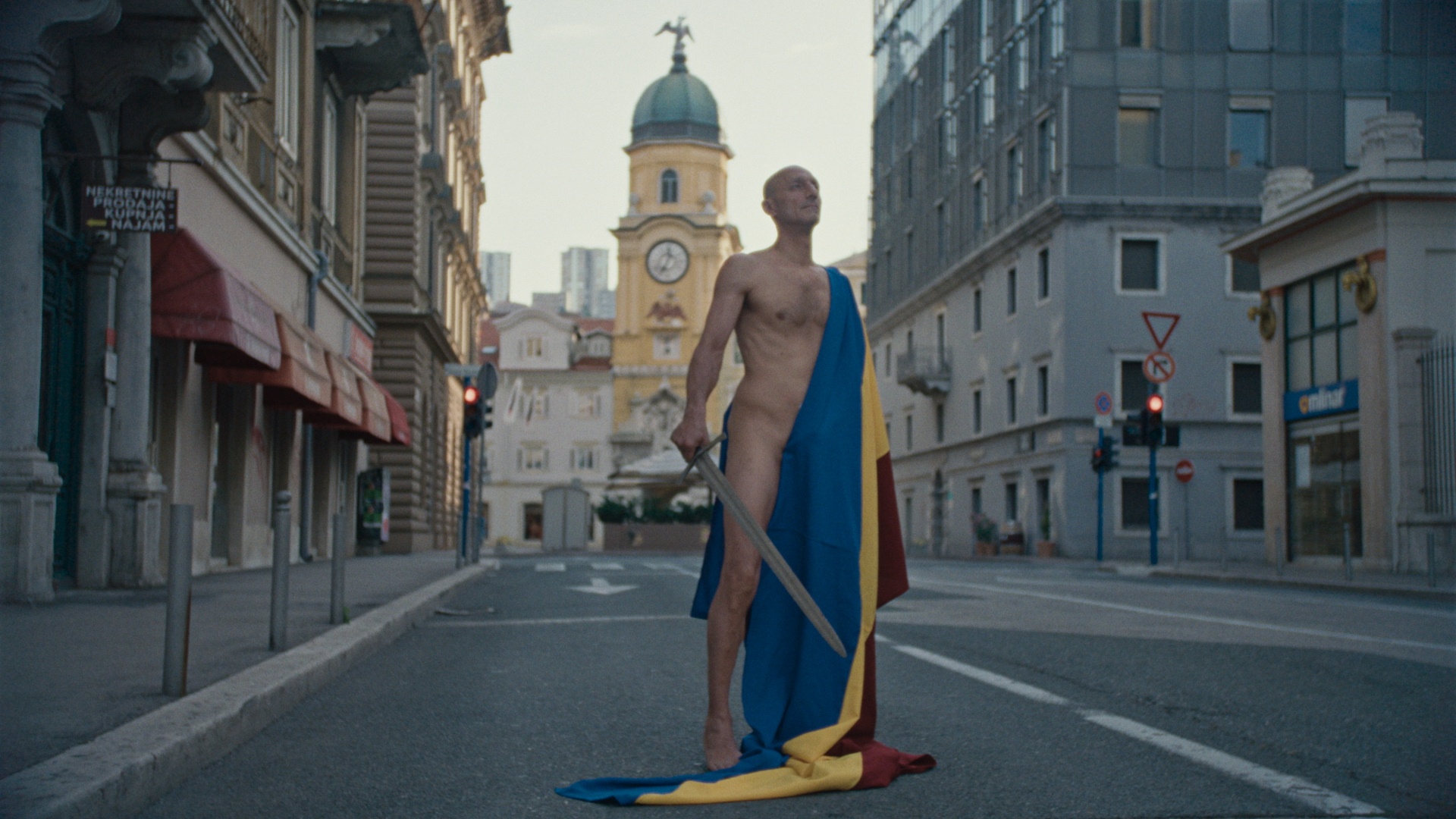
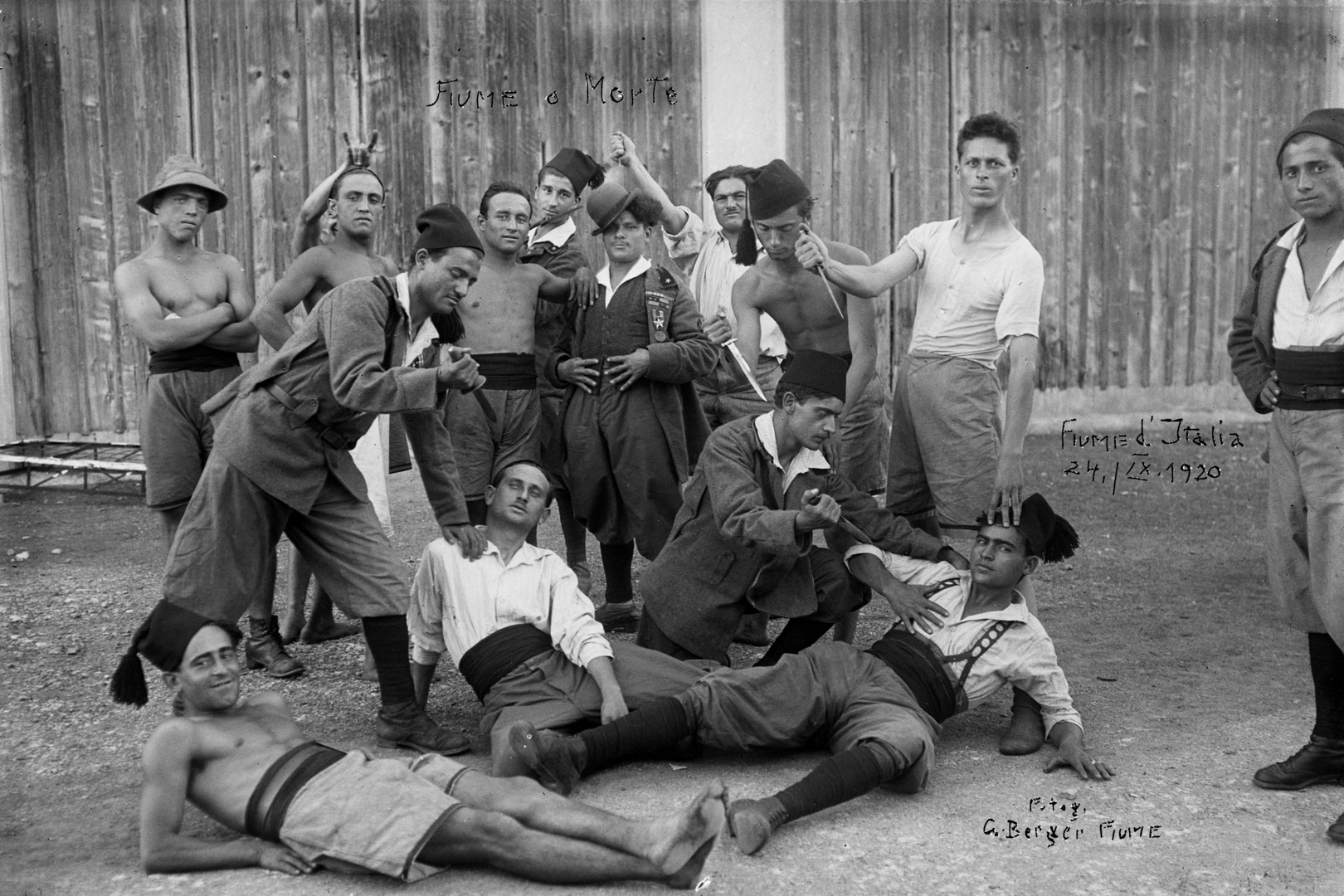
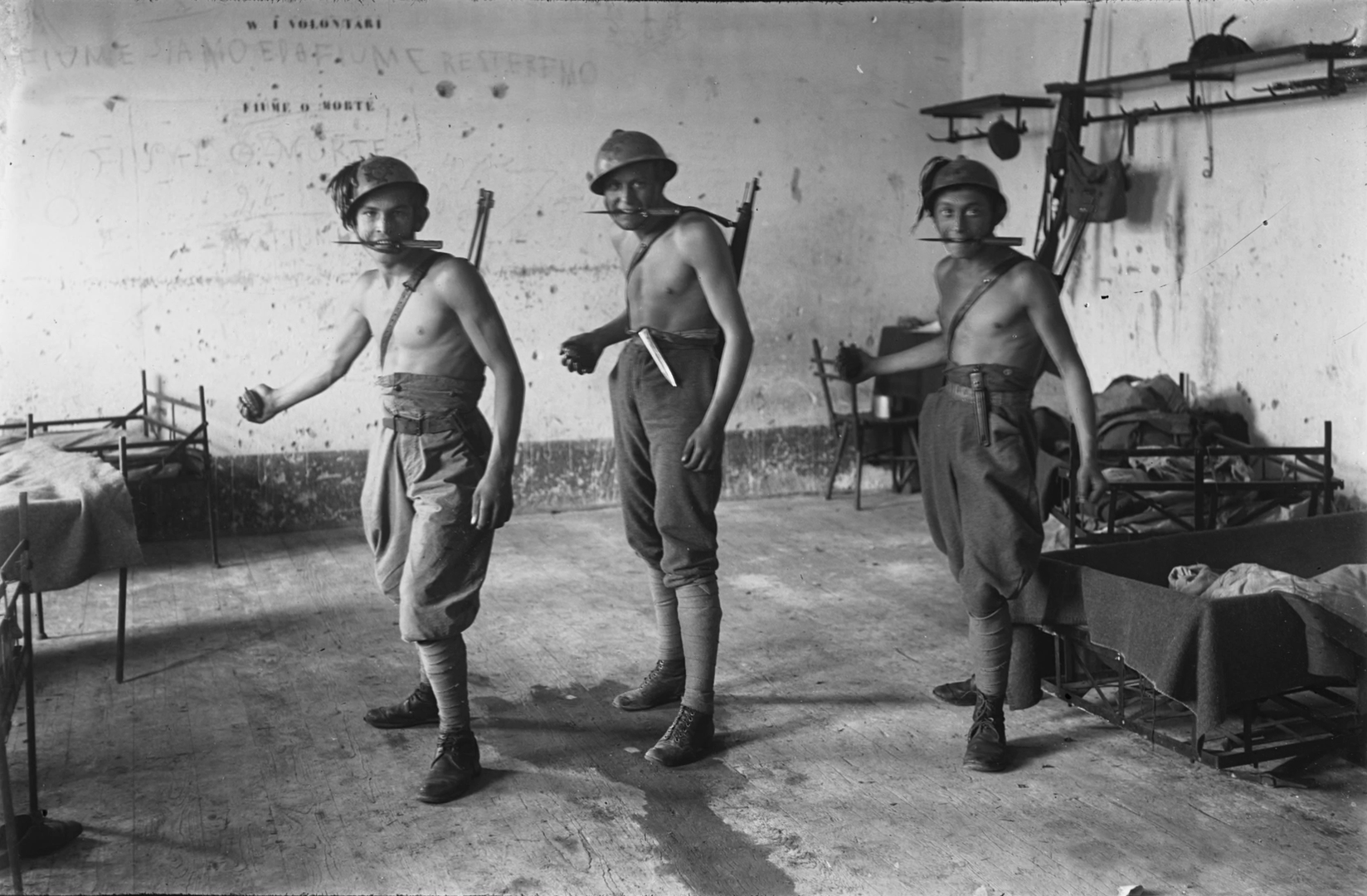
In 1919, outraged by the outcome of the Paris Peace Conference, which proposed handing the city of Fiume (now Rijeka) to Croatia, Italian poet, aristocrat, and army officer Gabriele D’Annunzio declared the Italian Regency of Carnaro. The ensuing 16-month occupation stands as one of history’s most peculiar experiments in governance. Igor Bezinović revisits this singular episode just over a century later, employing the help of his fellow Rijeka’s citizens in a bid to reclaim history and tell their version of what happened.
Director
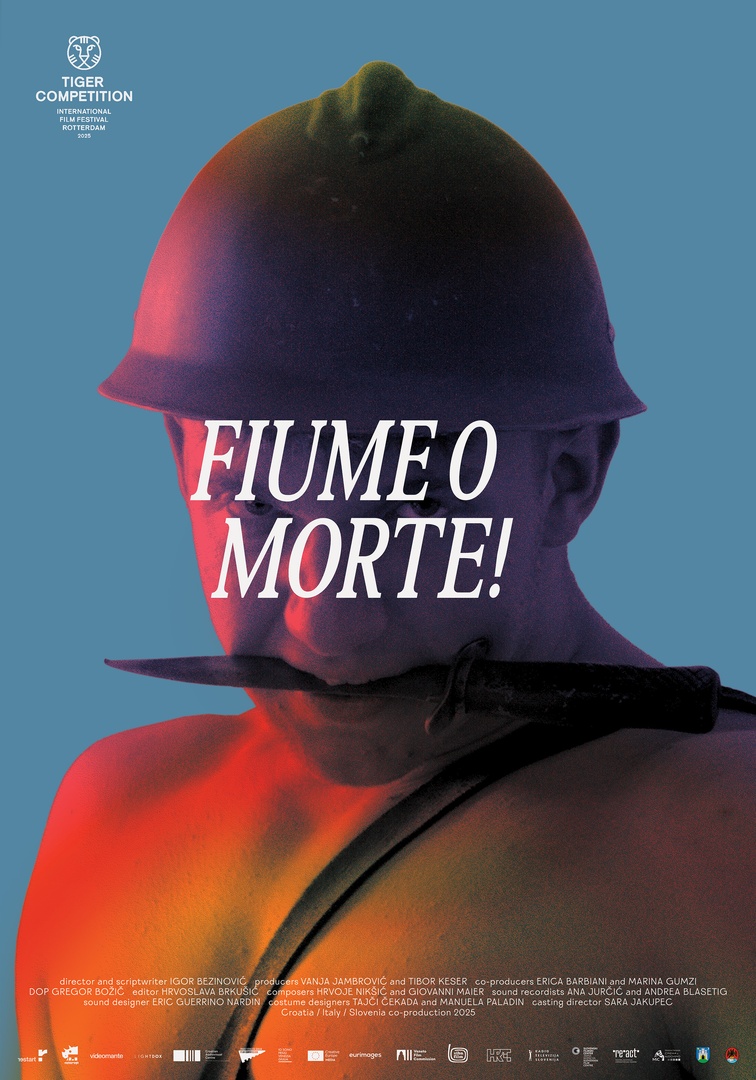
Gallery (12)
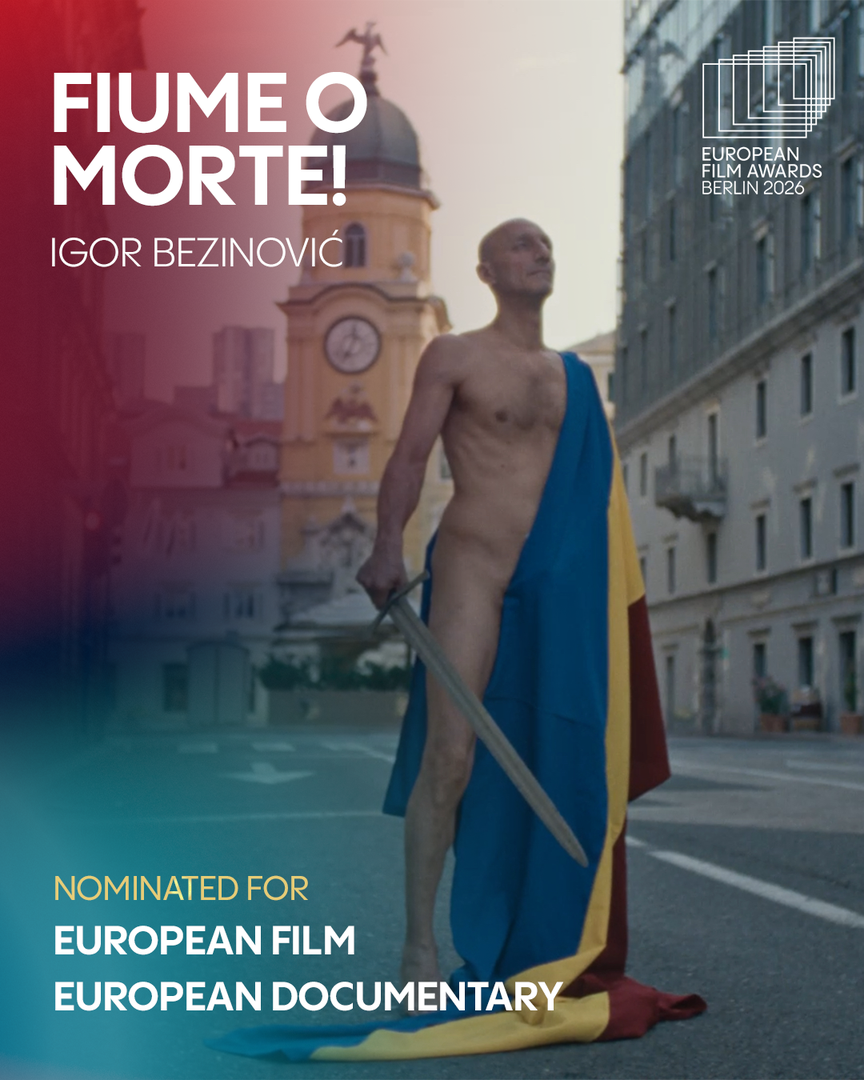

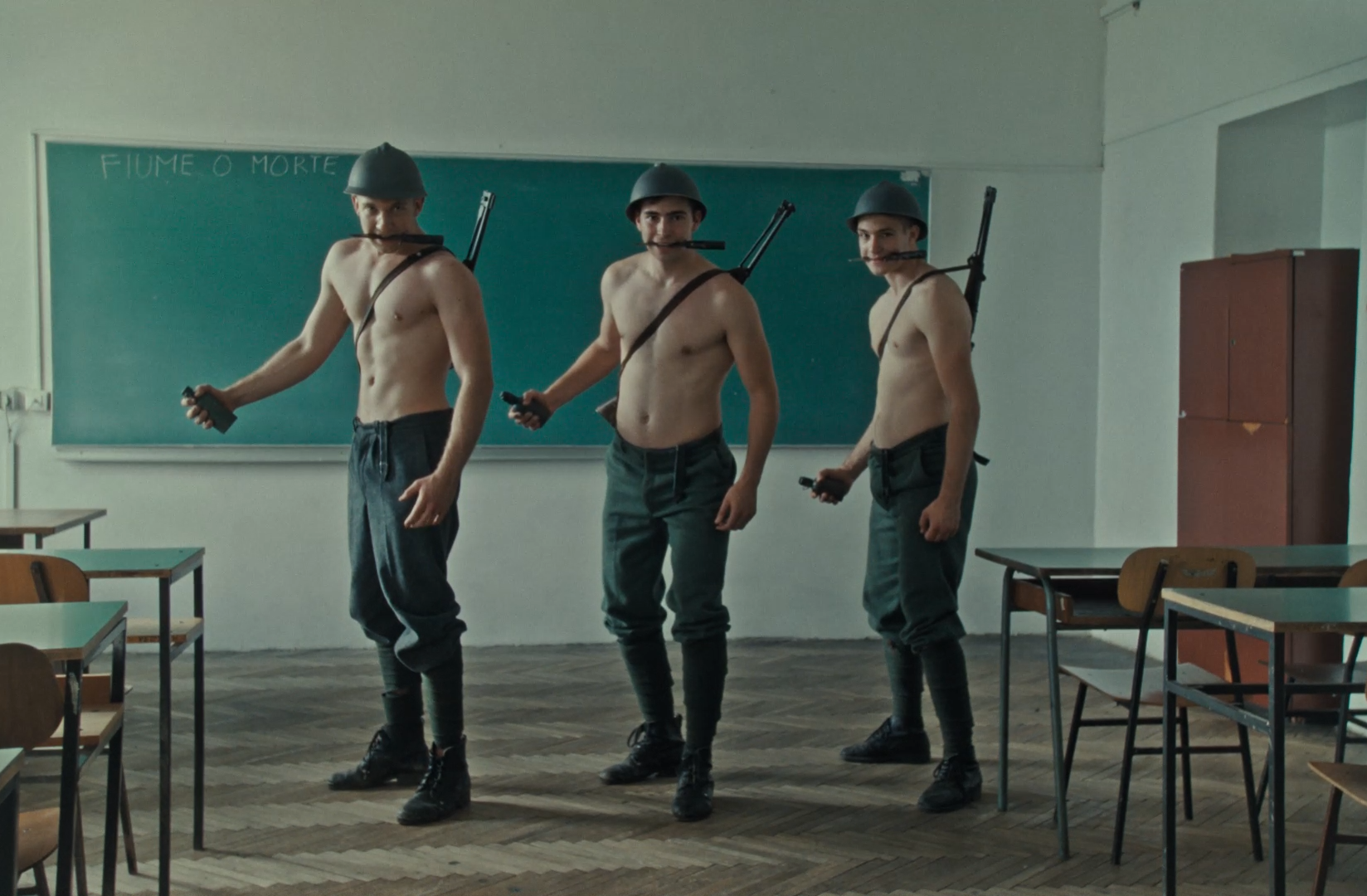
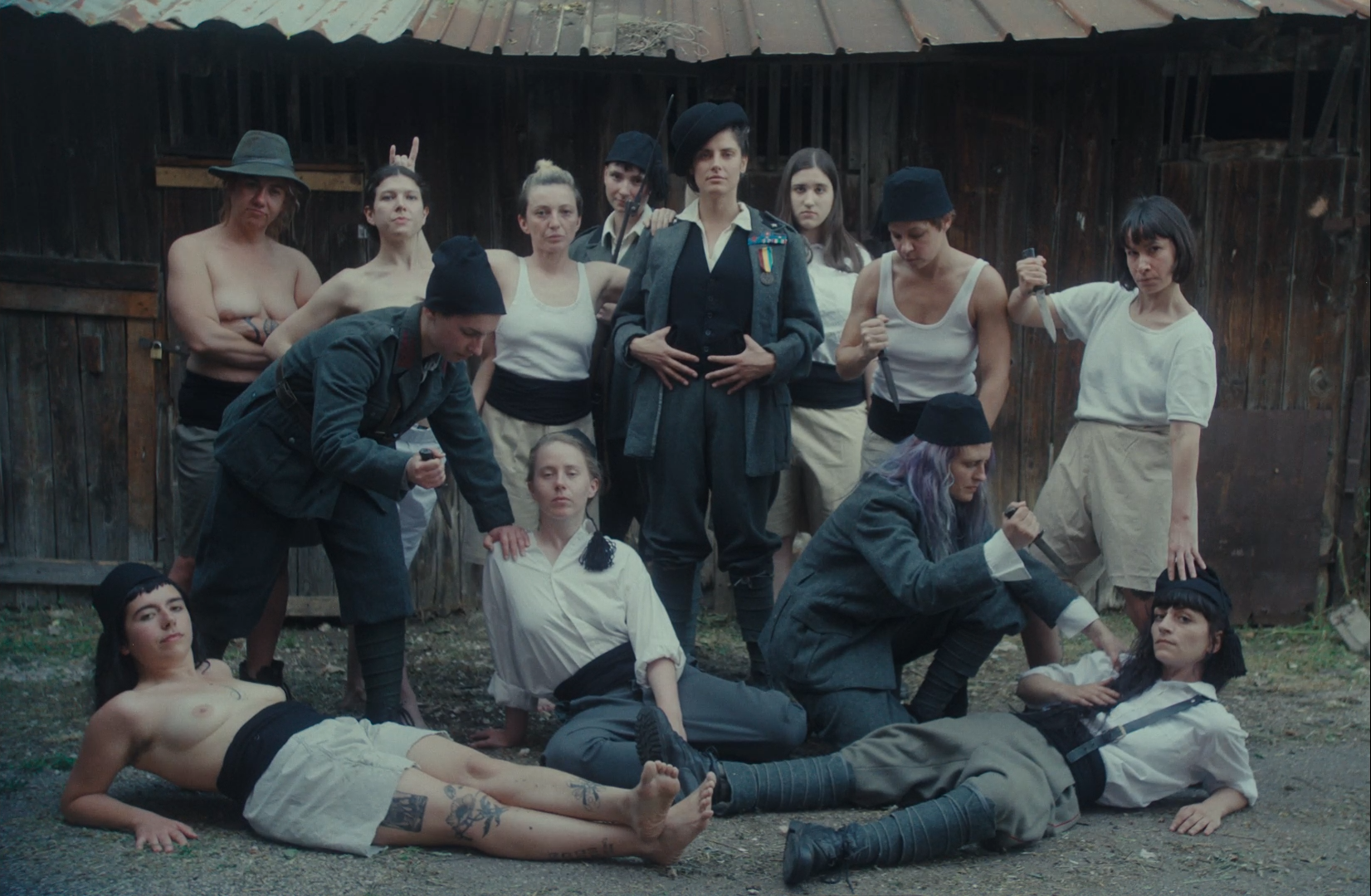

Cast

Crew
Writing
Direction
Production
Cinematography
Music
Editing
Production design
Costume design
Make-up
Sound design
Directing department
Production department
Art department
Sound department
Special effects
Visual effects
Camera department
Stunts
Casting department
Costume department
Post production/editorial department
Music department
Mentoring and Consulting colaboration
Other
Organizations
production
distribution
Music
Awards
Relevant Awards
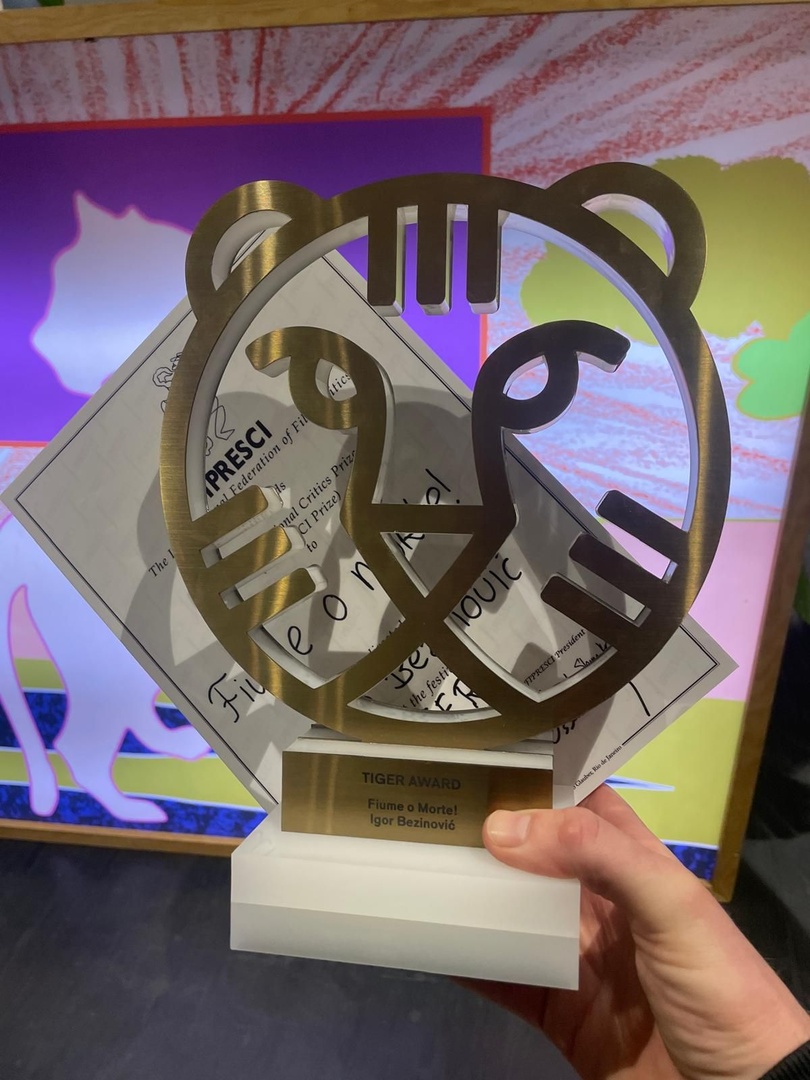
By using various registers of style – from surrealism and irony to humour and ingenuity, skilfully linking fiction and documentary with directing that controls the wealth of material from the first moment to the end and accurately shapes the rhythm and tone of the film, Igor Bezinović has made a playful film that entertains, questions, and eludes expectations all at once.
Izrazno izviren, zgodovinsko zanimiv in politično aktualen film Fiume o Morte! Igorja Bezinovića predstavlja svež in izjemno avtentičen ustvarjalni vzlet dokumentarnega filma v širši regiji.
We were impressed by the film’s playful use of archival footage and reenactment to shed light on a too-little-known episode of European history. Whilst full of dry, self-reflexive humour, the film manages to use its creative exploration of history to provide in-depth commentary on worrying contemporary political developments, specifically the rise of the global far-right. We applaud the film’s effortless combination of experimentation and accessibility – not least due to its excellent editing – which serves to convey a timely warning against the formation of authoritarianism.
Montenegrin: Živimo u vremenu koje nas svakodnevno podsjeća na opasnosti prošlosti. Ideologije za koje smo vjerovali da su poražene – poput fašizma – vraćaju se, perfidnije i maskirane savremenim jezikom, ali i dalje razorne. U trenutku kada gledamo rat u Ukrajini, genocid u Gazi i nove sukobe širom svijeta, film Fiume o Morte dolazi kao snažno upozorenje. Kroz priču o fašističkoj vladavini Gabrijela D’Anuncija u Rijeci, reditelj Igor Bezinović nas vraća u period između dva rata i pokazuje kako moć, kada nije obuzdana zakonom ni moralom, ostavlja duboke ožiljke na društvu. Ovo nije samo film o prošlosti. Fiume o Morte je hrabar autorski komentar, pun ironije, zasnovan na manje poznatoj arhivi i preciznom uvidu u današnji trenutak. Bezinović ne izbjegava teške teme – on razotkriva mitove i suočava se s revizionizmom u savremenoj Hrvatskoj.
This is a film where people and public spaces are used as co-conspirators in exploring the past through the prism of contemporary Europe. At times of the rise of ultra-nationalism within a contemporary European context, the film playfully grapples with the past not as a closed chapter, but as a living reality. Unless we engage the past as a living present it will insist in ways that are not only a warning for the future, but threaten the very possibility of equitable co-existence and a life livable for not only those that have recourse to assert power. The film’s clash of staged reconstruction with real life refreshingly sheds light on the way history is continually present rather than preserved in aspic. While it is a playful and mischievous film, it presents a mirror to our present day.
Recourse to ultra nationalism, and even fascism, resides in the core of national identity, it is already inside of us as a form of knowledge we should be afraid to forget, and continuously need to process in order to forgo its grip. It is a reality we remember from movies, literature, billboards and books. These are memories that travel as far as the history of a nation. So we need to make history anew, again and again, to not only unforget, but beget the world we wish there was, for all of us.
With the invaluable help of the Slovenian director of photography Gregor Božič, Croatian filmmaker Igor Bezinović made an utterly unique film about a brutal, bizarre event from the post-WWI era. An astounding combination of archive material and recreations, this is a living, breathing film that brings history to life in a way very few films have managed.
The director of photography, Gregor Božič, evocatively and flawlessly intertwines the light and shadow of the past and present, two periods separated by more than a century. His cinematography in the present revives feelings of past events and political traumas.
By bringing together the past and the present and placing historical elements in contemporary spaces, the production design in Fiume o morte! creates a humorous and absurd contrast that makes the film richer in therms of visuals and meaning.
By turning the citizens of Rijeka into historic figures, the make-up in the film Fiume o morte! simultaneously evokes the historic episode and serves as an instrument of irony, becoming one of the key elements creating the original world of this hybrid documentary film.
The dedication of the production of Fiume o morte! supported the demanding directorial concept and carried the huge endeavour of merging the past and the present, massive scenes, non-professional actors, and costumed action, allowing for a unique cinematic achievement.
The costumes in the film Fiume o morte! paint the historical period on the one hand, and on the other hand, give the film a layer of irony, as well as critical commentary with their occasional deliberate and humorous awkwardness.
The casting for Fiume o morte! brilliantly brings together fiction and reality, turning the casting process itself into the key dramatic element of the film. By including the citizens of Rijeka and employing an autoironic approach, the cast becomes the extension of the directorial idea, providing the film with complexity and wit.
When East Meets West and Trieste Film Festival are proud to present the second edition of This is IT, a competition exclusively dedicated to long feature fiction films hybrid works with a strong visual and artistic approach produced or co-produced by Italian producers. Selected teams will have the chance to present their works and screen 10′ of their films to an exclusive panel of more than 30 international sales agents, festival programmers and buyers. This is IT will select up to 5 long feature fiction films and an international jury will deliver the LASER FILM Award, a special in kind prize consisting in the colour grading of one film (40 hours of work, technician included) of the value of approximately 10.000 EUR
“Fiume o morte” – 6.000 EUR Festival
Nominations
Screenings
Extended data
Technical data
Financing
Budget
All financial information is obtained from official sources. I.e. producers or organizations which provided the financial support.
hrvaško: Dokumentarno-igrani autorski prikaz kronologije D’Annunzijevog osvajanja Rijeke 1919. godine. Fiktivni Narator priča svoje osobno svjedočanstvo o tom povijesnom događaju. Eklektični vizualni pristup u kojem se rekonstrukcijama scena, glumljenim scenama od strane današnjih Riječana te arhivima (snimkama i fotografijama) u javnom prostoru i kolektivnom pamćenju građana želi oživiti razdoblje u kojima je njihov multikulturni provincijski grad doživio neočekivanu i burnu transformaciju. Projekt je podržan i na razvoju scenarija i na razvoju projekata pri HAVCu.
Comitee: Polona Petek, Miha Hočevar, Igor Palčič, Simon Tanšek (alternate) Explication
»Fiume o morte je dokumentarni celovečerni filmski projekt o na videz obrobnem zgodovinskem dogodku, "slavnostnem" vkorakanju Gabriella D’Annunzia v Reko septembra leta 1919, njegovi skoraj dveletni okupaciji mesta in razglasitvi Reke kot neodvisne mikro italijanske države. Tema dokumentarnega filma je vsekakor univerzalna s stališča sociološko ikonografske iniciacije evropske fašistične ideologije, saj je D'Annunzievo reško obdobje vplivalo na Mussolinija in njegovo zasnovo italijanskega fašizma. V tem pogledu je projekt tudi relevanten, ker obilno postreže z zgodovinskimi dejstvi in njihovo rekonstrukcijo, kar obeta izvirno ponazoritev obrobnega, čeprav zelo pomenljivega zgodovinskega dogodka. Struktura zgodbe v scenariju sledi kronološkim dejstvom in se hkrati posveča detajlom, posamičnim dogodkom in človeškim dejavnikom. Prepričljivost zgodbe je zagotovljena v obsežnem arhivskem gradivu, v sodobnih rekonstrukcijah zgodovinskih detajlov, s sodobnimi meščani v sodobnem mestu. Karakterizacija likov je povsem odprta, saj je mestoma podvržena sodobnim rekonstrukcijam, najbrž tudi manjšim improvizacijam, ki so nujne pri takšnem vzpostavljanju pripovednega načina v dokumentarnem filmu. Pričakovana privlačnost filma za slovenski in evropski oziroma mednarodni kulturni prostor je velika, ker gre za spregledan, čeprav pomenljiv zgodovinski trenutek. Navzočnost Slovenije, Slovencev, slovenskega jezika oziroma slovenske kulture v scenariju je majhna, vendar obstaja.
Odmevnost ustvarjalnega dela režiserja na avdiovizualnem področju je precejšnja. Prepoznan je tudi mednarodno. Slovenska kinoteka je organizirala retrospektivo njegovih del. Njegov igrani celovečerec Kratki izlet je bil leta 2017 najboljši hrvaški film.
Angažiranost slovenskih soavtorjev, avtorjev prispevkov in igralske zasedbe filma je deloma prisotna v produkciji in angažiranju slovenskih arhivov, angažiranost tehničnih zmogljivosti v Republiki Sloveniji pa obstaja v
snemalnih lokacijah v Sloveniji in post produkciji zvoka. Odmevnost dela glavnega producenta na avdiovizualnem področju je za enkrat odmevna predvsem znotraj dokumentarne produkcije, medtem ko je slovenski koproducent bolj prepoznan po igranih projektih v slovenskem okolju.
Finančni načrt in predračun filma sta v glavnem utemeljena in podprta z ustreznimi potrdili.«.
Contact the editors
If you need to get in touch, please use the form below. We will be happy to hear from you.