




Zadnji beli bizoni
- Feature Film
- 70' 40''
- s.d.
- Slovenia, Croatia
- Basic info
- Gallery
- Materials
- Episode
- Cast
- Crew
- Organizations
- Music
- Awards
- Screenings
- Archival footage
- Extended data
- Financing
- Filming locations
- Trivia
- Contact the editors
Synopsis
The twenties of the twenty-first century. An age of late capitalism. An age of ruthless exploitation, of devouring the planet’s resources, of destruction, an age of climate change. An age of water and food shortages on one side, and sickening excess on the other. The world’s wealth lies in the hands of elites who exploit people globally and relentlessly — and soon, humanity itself may no longe
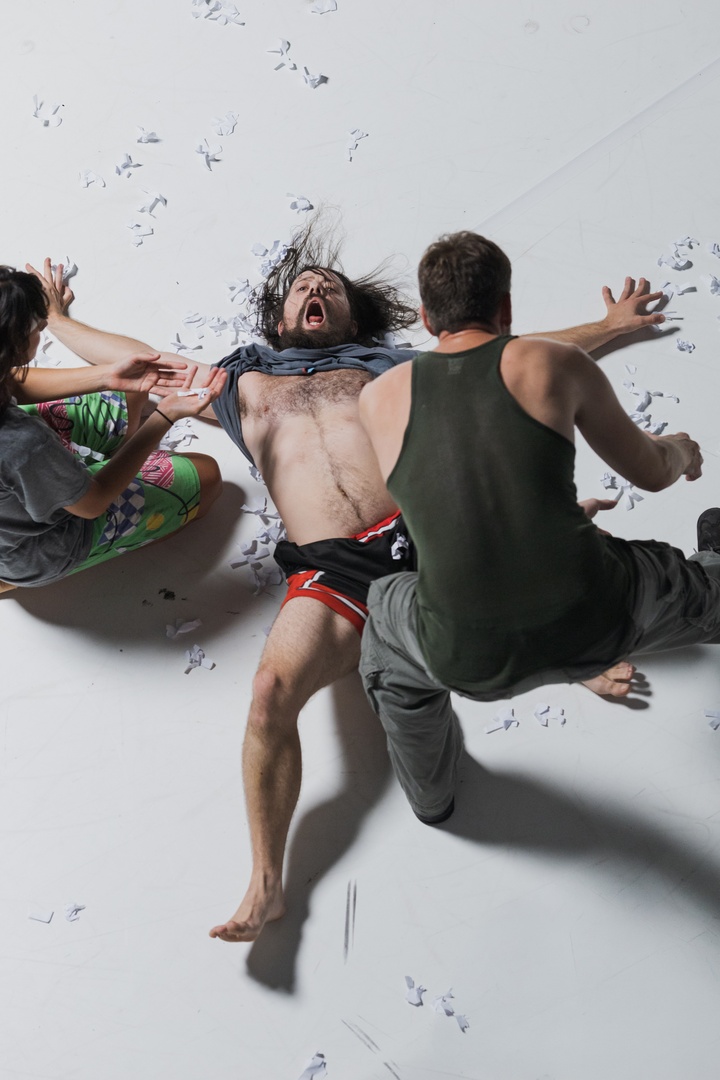
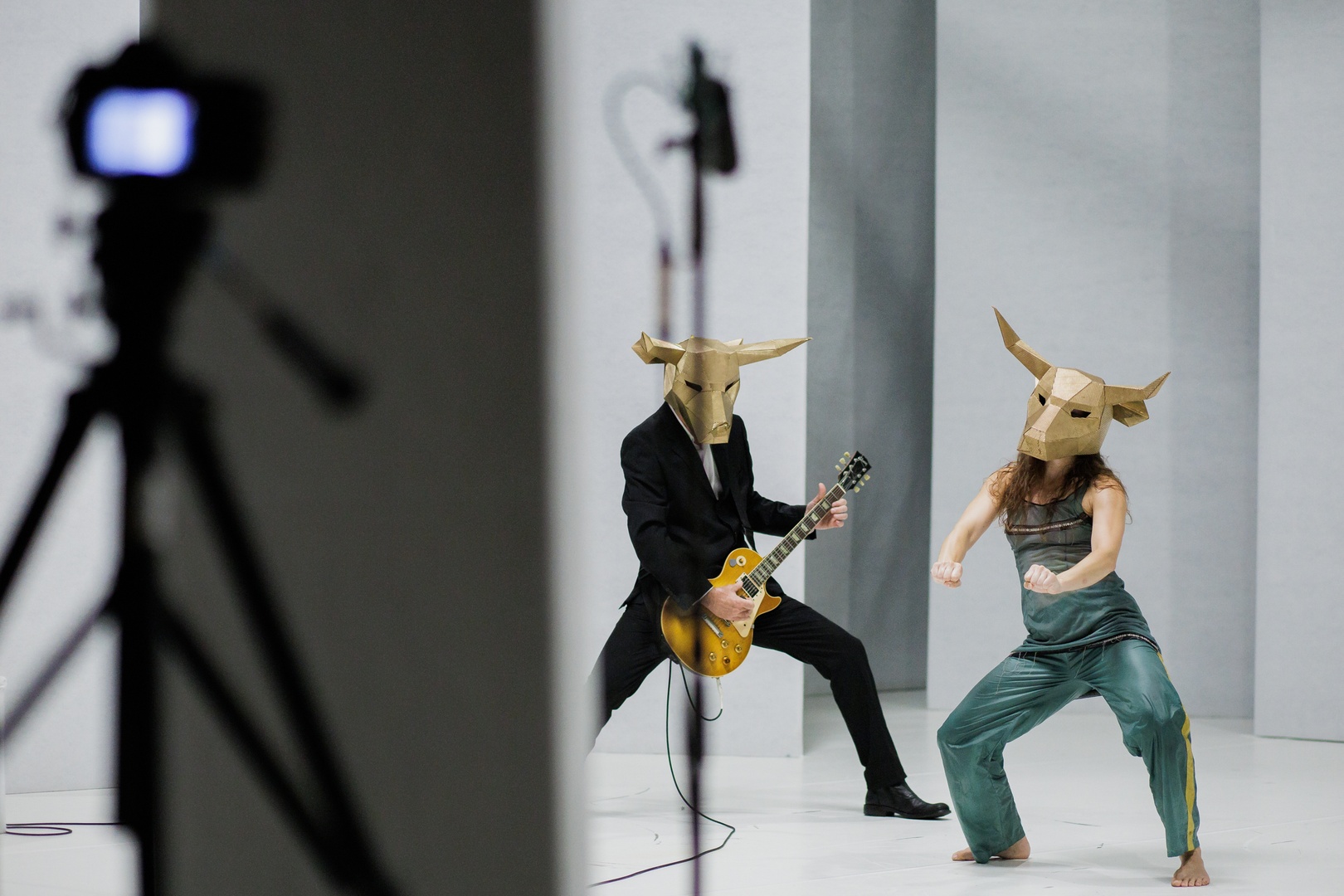
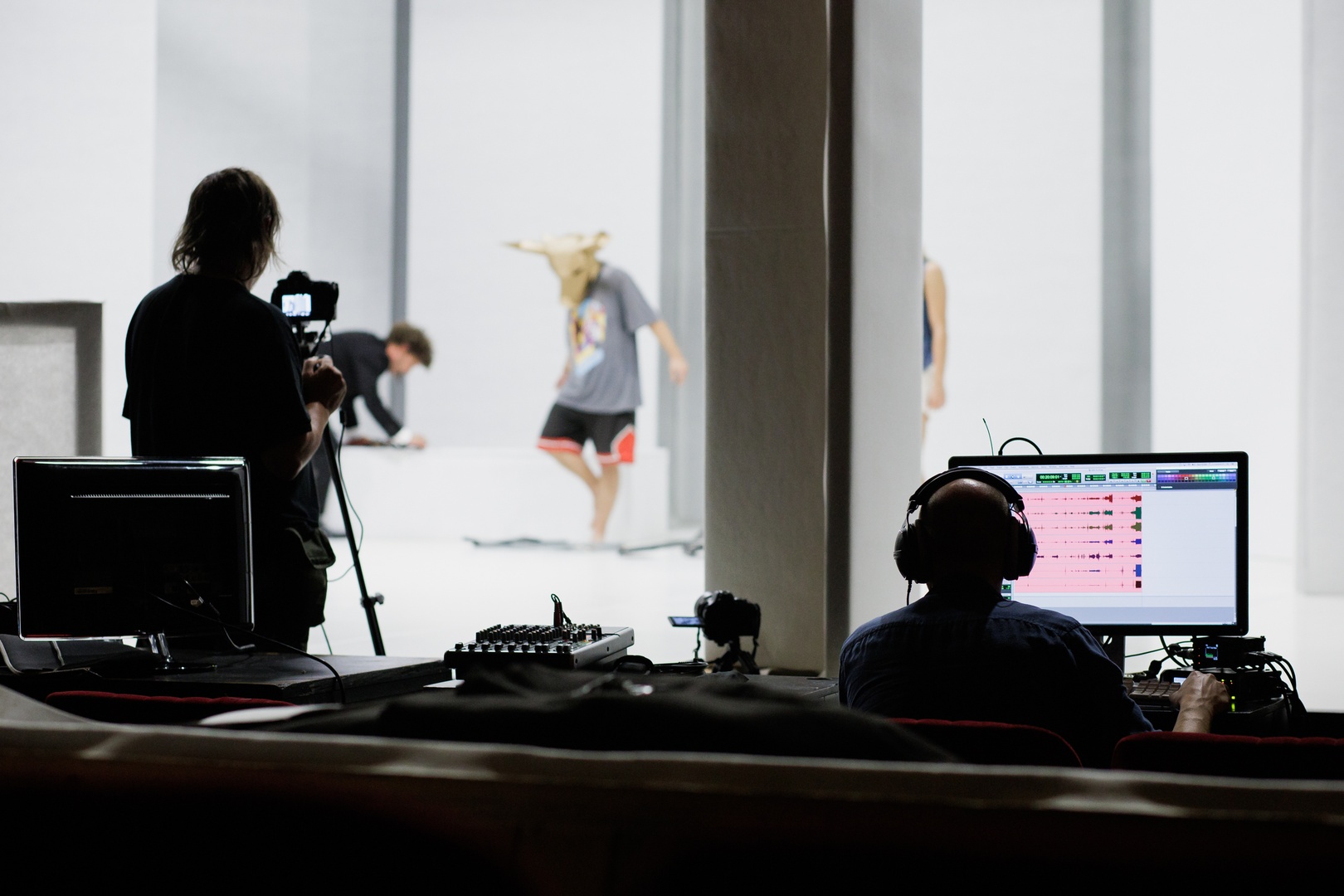
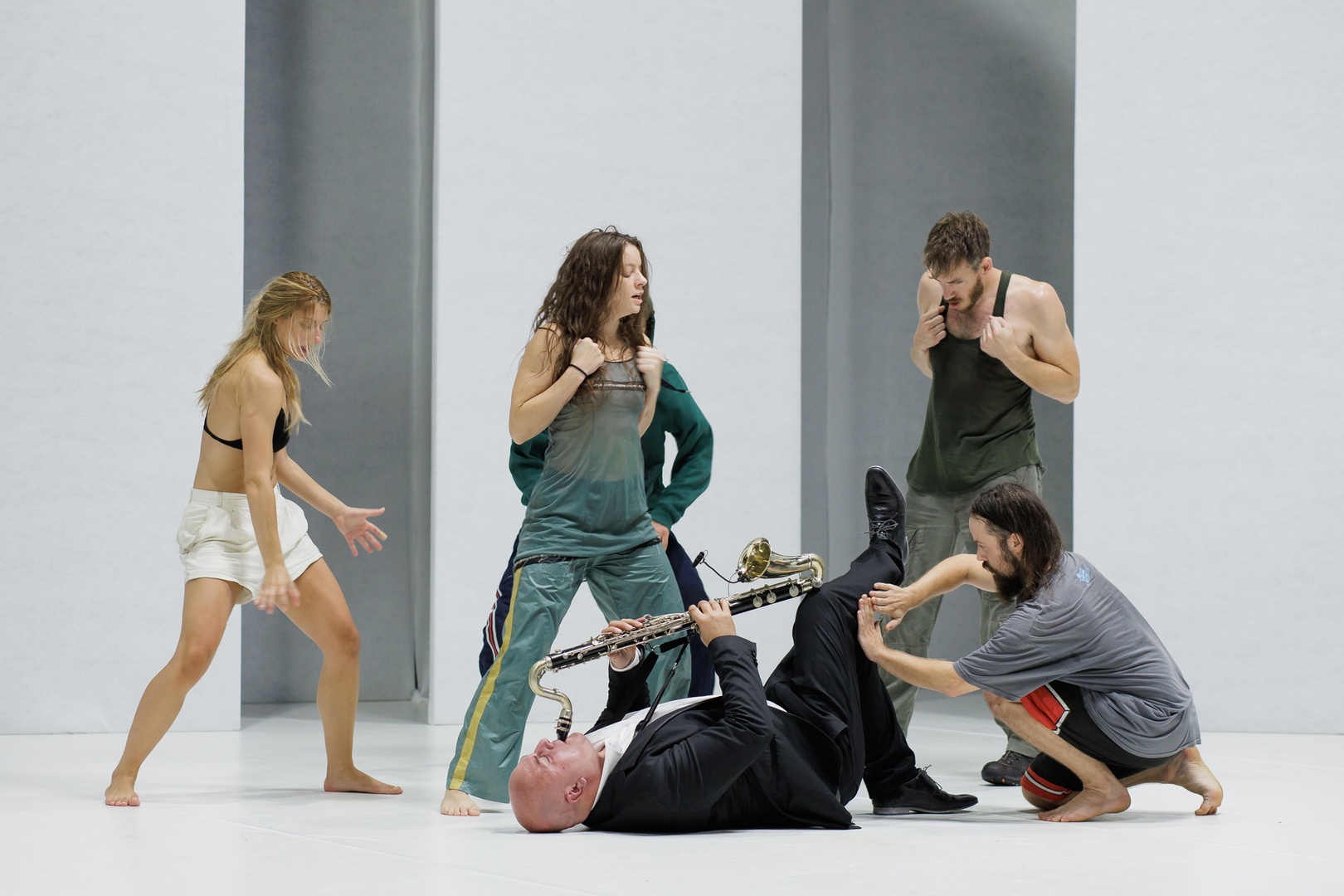
The twenties of the twenty-first century. An age of late capitalism. An age of ruthless exploitation, of devouring the planet’s resources, of destruction, an age of climate change. An age of water and food shortages on one side, and sickening excess on the other. The world’s wealth lies in the hands of elites who exploit people globally and relentlessly — and soon, humanity itself may no longer be needed. Human dignity cries out to the sky, but the sky remains deaf. The filmmakers raise a series of questions: Who is considered redundant today, and by whom? Who among us is unnecessary? Am I the surplus one, or are you? Do we even exist if we neither produce nor consume? How thin is the line between being useful and being disposable? Performed by six dancers and three musicians, and captured through fifteen cameras, the piece unfolds as both an aesthetic exploration and a philosophical inquiry into the boundaries between necessity and redundancy in contemporary society. Trapped within an anonymous space that offers no clear exit, the performers navigate shifting relations of visibility and agency. The fi lm is based on Ilija Trojanow’s essay The Superfluous Man: An Essay on Human Dignity in Late Capitalism.
Director
Director's statement
Instead of the industrial Trbovlje, this time a blank white space. Six dancers, three musicians, and fifteen cameras. Am I the one who is unnecessary, or are you? Do we even exist if we neither produce nor consume? How thin is the line between the useful and the superfluous?
Gallery (3)
Cast

Crew
Writing
Direction
Cinematography
Music
Editing
Production design
Costume design
Sound design
Art department
Sound department
Camera department
Post production/editorial department
Music department
Other
Organizations
production
creative services
performance
Extended data
The Last White Bisons (English)
Ožigosani (Slovenian) (working title)
Technical data
Financing
Budget
All financial information is obtained from official sources. I.e. producers or organizations which provided the financial support.
hrvaško:
Dugometražni eksperimentalni film u postprodukciji naslova Ožigosani, zajednički su režirali
Sašo Podgoršek i Iztok Kovač, a zemlja je glavnog producenta Slovenija. Profesionalno se
baveći filmskom režijom od početka 1990.-ih, slovenski filmaš Sašo Podgoršek autor je niza
glazbenih spotova te plesnih, dokumentarnih i dugometražnih igranih ostvarenja koja su mu
priskrbila i priznanja (Slatki snovi, Razdružene države Amerike), dok je njegov sunarodnjak
Iztok Kovač međunarodno priznati koreograf, edukator i izvođač u području suvremenog plesa.
Njihova zajednička suradnja realizirana u ovom projektu nadahnuta je esejem Suvišni čovjek
bugarsko-njemačkog književnika Ilije Trojanowa o razornoj sili kapitalizma koji se sustavno
odriče i čovjeka i čovječnosti u ime profita. Njihov je plesno-eksperimentalni film ekstenzija
kazališne predstave Suvišni za čiji su koncept zaslužni upravo Iztok Kovač i En–Knap Group.
Literarni predložak i predstave i filma tematizira ljudsko dostojanstvo u neoliberalnom
kapitalizmu čije međunarodne elite tvrde da je prenaseljenost najveći problem čovječanstva.
Čvrste mizanscene i veoma elegantnoga snimateljskog rada, film je ekranizirana predstava koji je u ovakvoj vizualizaciji središnjoj temi donio nove dimenzije i aspekte… Produkcijska kuća Švenk d.o.o. kao hrvatski partner u projektu, proteklih se godina istaknula realizacijom
dugometražnih igranih filmova Nosila je rubac črleni i Pamtim samo sretne dane, te kratkoga
igranog filma Egon i rupa.
Comitee: Siniša Gačić, Primož Ledinek, Vilma Štritof
Contact the editors
If you need to get in touch with the editors of The Slovenian Film Database, please use the form below. We will be happy to hear from you.